Chemical & Hazardous Liquid Storage
This page covers the key planning considerations behind chemical and hazardous liquid storage, the factors that shape safe specification, and the storage solution types available for these applications.
What are Chemical Storage Tanks ?
Chemical storage tanks hold corrosive, reactive, or otherwise hazardous liquids used in treatment, manufacturing, and processing operations. These systems range from bulk chemical storage supporting continuous feed operations to smaller day tanks staged closer to the point of use. In many facilities, storage also supports neutralization processes, batch mixing, and chemical feed dosing. What sets this application apart from general liquid storage is the level of specification involved. The chemical name and concentration, operating temperature range, compatibility with the tank material, resin, or liner, venting and fitting configuration, and fill and dispense method all influence which storage path is appropriate.
Placement adds another layer. Whether a tank sits aboveground, underground, or indoors affects the design, containment approach, and long-term access requirements. Secondary containment planning, inspection access, drain-down provisions, and support or foundation requirements all need to be defined before procurement. Hazardous chemical storage tanks used in industrial and municipal environments must be specified around the actual operating conditions of the application. This is not a category where general-purpose equipment is a safe assumption.
Who Works In This Field
Chemical and hazardous liquid storage projects involve plant managers, operations and maintenance teams, engineers, EHS and safety personnel, procurement teams, and utility or treatment operators. These professionals work across water and wastewater treatment, manufacturing, chemical handling and distribution, commercial facilities, and industrial utilities where safe chemical storage is part of daily operations. They are responsible for ensuring that every storage system is specified, installed, and maintained to match the demands of the application.
The Problem They Face
Specifying storage for chemicals is not straightforward. Selecting the wrong material, overlooking venting requirements, or failing to account for concentration and temperature can lead to premature failure, leaks, or safety incidents. Many buyers also struggle to coordinate secondary containment, fittings, and installation constraints before the project timeline gets tight. Without the right guidance early, small specification gaps can turn into costly field corrections, project delays, or compliance issues that could have been avoided during planning.
Explore Our Solutions
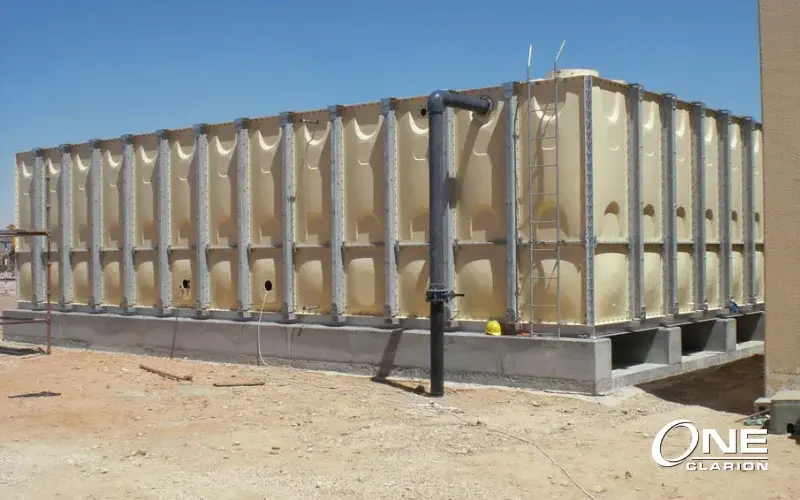
Aboveground FRP Tanks
Chemical-specific resin and liner selection helps match the tank to the stored product, reducing compatibility risk from the start. Aboveground placement supports visual leak detection and straightforward access for inspection, cleaning, and fitting service. For teams managing corrosive or reactive chemicals, FRP tanks address the material selection and maintenance access challenges that drive most specification decisions.
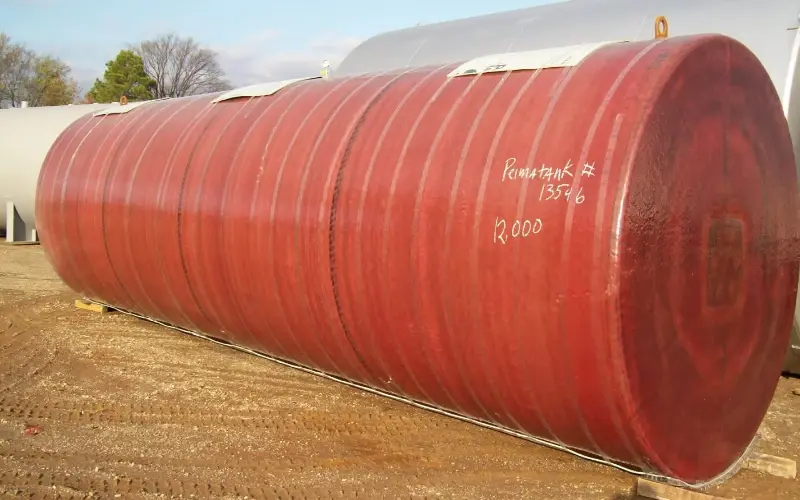
Underground FRP Tanks
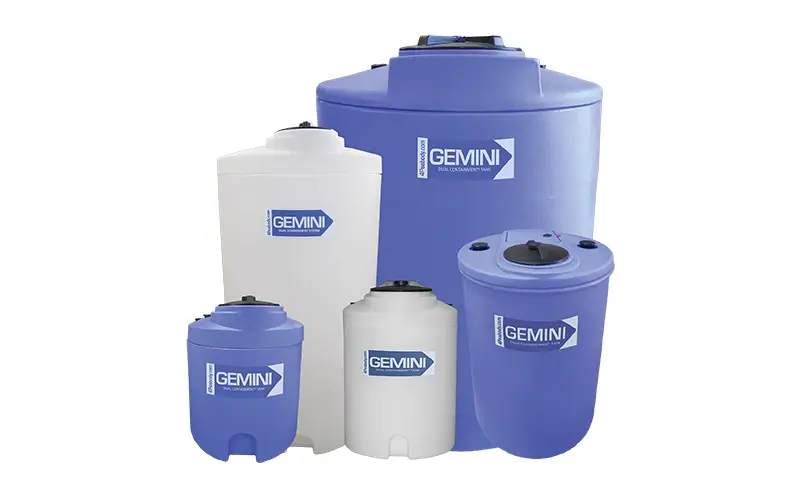
Poly Chemical Storage Tanks
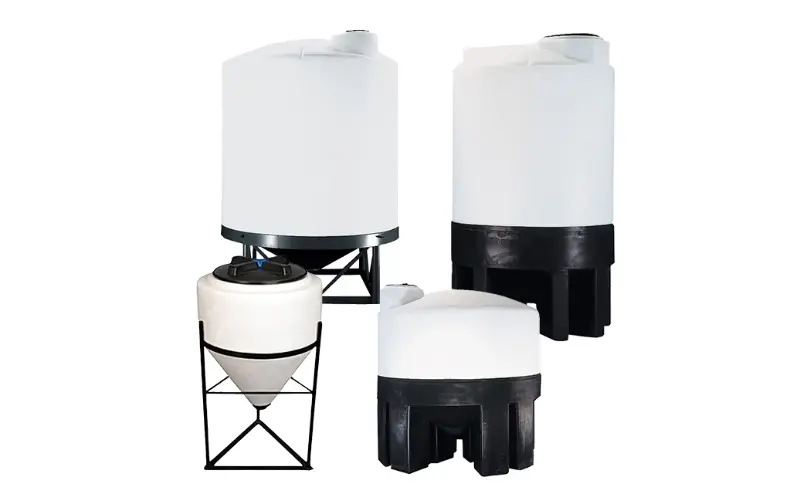
Cone Bottom Tanks
Regulations, Codes, & Compliance
Chemical and hazardous liquid storage projects often involve documentation, review, and code compliance requirements that vary by facility, jurisdiction, and the authority having jurisdiction (AHJ). The codes and standards below are commonly referenced in the specification and review of chemical storage systems. Applicability depends on the chemical stored, the installation type, and local requirements.
-
OSHA 29 CFR 1910.119: Process safety management for highly hazardous chemicals
-
EPA 40 CFR 264/265: Standards for hazardous waste storage facilities
-
NFPA 30: Flammable and combustible liquids code for storage and handling
-
IBC/IFC: Building and fire code requirements for chemical storage installations
-
SPCC (40 CFR 112): Spill prevention, control, and countermeasure planning requirements
Specialist Support for Your Storage Project
Talk with a specialist for practical guidance and equipment recommendations.
Frequently Asked Questions
Common questions about sizing, placement, water quality, and tank selection for Chemical & Hazardous water storage applications.
What happens if our chemical or concentration changes after the tank is in service?
A tank specified for one chemical or concentration may not be compatible with a different product or a higher concentration of the same product. Before making any change to the stored chemical, the compatibility with the tank material, resin, liner, fittings, and gaskets should be re-evaluated. A Sales Specialist can help you review whether your existing system supports the new conditions or if a respecification is needed.
How do FRP and polyethylene compare for chemical storage applications?
FRP tanks offer a wider range of resin and liner options, which allows them to be specified for a broader set of chemicals, concentrations, and temperature ranges. Polyethylene tanks are lighter and easier to handle but are generally suited for lower concentrations and ambient temperature conditions. The right choice depends on the specific chemical, its operating conditions, and the installation requirements.
How do we approach storage when our facility handles multiple chemicals?
Each chemical requires its own compatibility review, so a single tank type or material will not always work across the board. Facilities handling multiple chemicals typically need separate storage systems specified individually around each product. A Sales Specialist can help you map out the right storage path for each chemical in your operation.
How should we plan for replacing or retrofitting a chemical storage tank that has failed or aged out?
Start by documenting the chemical, concentration, and operating conditions the original tank was handling, along with any fitting, venting, or containment details that need to carry over. Site access, foundation condition, and tie-in points should be evaluated before specifying the replacement. A Sales Specialist can help you scope the replacement so the new system addresses the conditions that may have contributed to the original failure.