<img height="1" width="1" style="display:none;" alt="" src="https://px.ads.linkedin.com/collect/?pid=5375274&amp;fmt=gif">

Potable Water Storage

From NSF/ANSI 61 requirements to site planning, know what potable water storage demands.

What are Potable Water Storage Tanks?


Potable water storage refers to the containment of treated drinking water in tanks designed to maintain water quality from fill to point of use. These systems serve municipal distribution buffering, facility supply, emergency reserves, construction site potable needs, and remote operations where a reliable treated water source is not available on demand. Potable water storage tanks are not interchangeable with general-purpose water storage; the application carries specific requirements around materials, coatings, access, and documentation that general storage does not.


The most widely referenced standard for potable water contact materials is NSF/ANSI 61, which governs whether the materials and coatings in a tank are approved for contact with drinking water. Not all tank models or configurations carry NSF/ANSI 61 evaluation, so confirming compliance at the product level is an important early step in the specification process. Beyond material suitability, the right potable water storage solution depends on required volume, site footprint, installation method, climate and freeze exposure, water chemistry, and long-term access for cleaning, inspection, and maintenance. Local authorities having jurisdiction may also require supporting documentation before approving an installation.


Who Works In This Field

Potable water storage systems are specified and managed by municipal water utility operators, facility managers at commercial and institutional buildings, industrial plant engineers, construction project managers overseeing temporary potable supply, and emergency management teams planning resilience infrastructure. These professionals work across water treatment plants, schools, hospitals, manufacturing facilities, military installations, and remote project sites where drinking water availability is an operational requirement. 

The Problem They Face

Selecting the wrong storage approach for a potable water application creates problems that compound over time. Tanks that cannot be cleaned or inspected lead to water quality concerns and failed reviews. Undersized systems leave facilities short during peak demand or emergency draw. Installations that ignore freeze exposure, site access, or documentation requirements can stall projects, trigger rework, or result in systems that do not pass local approval. Without the right compliance context and planning guidance up front, projects lose time and budget before water ever reaches the tap. 

Regulations, Codes, & Compliance

Potable water storage projects involve standards that govern both the tank itself and the materials in contact with drinking water. The specific standards that apply depend on tank type, coating system, and local requirements. Local authorities having jurisdiction (AHJs) may require material certifications, installation drawings, or third-party test reports before approving an installation. A Sales Specialist can help confirm which standards and documentation requirements apply to your project. 


  •  NSF/ANSI 61: Governs materials and coatings in contact with drinking water systems.   


  •  NSF/ANSI 372: Certifies low lead content in potable water system components. 


  •  AWWA D100: Design and construction requirements for welded carbon steel water tanks. 


  •  AWWA D102: Coating systems for interior and exterior steel water storage tanks. 


  •  AWWA D103: Design and construction of factory-coated bolted carbon steel tanks. 


Specialist Support for Your Storage Project

Talk with a specialist for practical guidance and equipment recommendations.

Frequently Asked Questions

Common questions about sizing, placement, water quality, and tank selection for Potable Water Storage applications.

What does NSF/ANSI 61 mean for potable water tanks?

NSF/ANSI 61 is a standard that governs materials and coatings in contact with drinking water. Not every tank model carries this approval, so it is important to confirm compliance on the specific product page or during the quote process before specifying a unit for potable service.

Can potable water tanks be used for temporary or emergency applications?

Yes. Poly tanks and certain other configurations are commonly deployed for construction site potable supply, emergency reserves, and disaster response staging. Temporary applications may have different siting, permitting, and decommissioning considerations than permanent installations, so it helps to clarify the intended use early in the quote process.

What is the difference between poly, corrugated, and bolted potable water tanks?

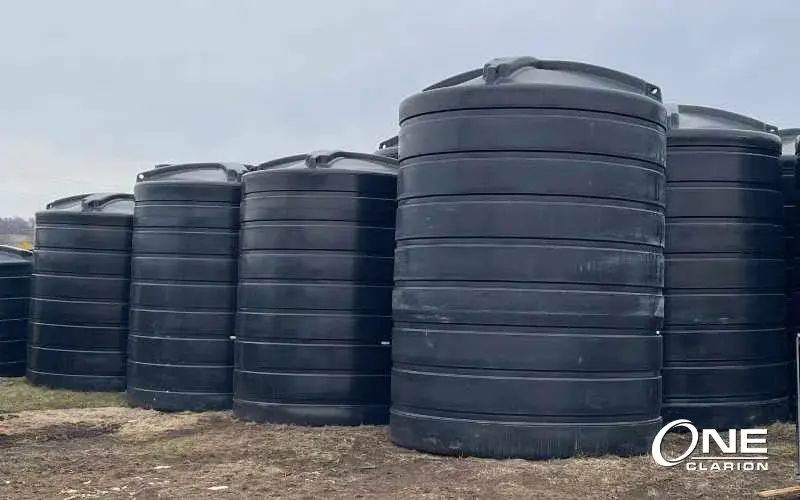
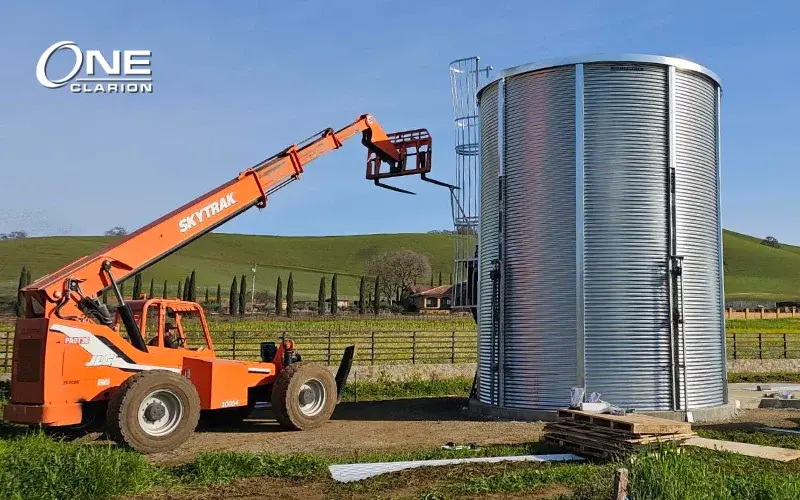
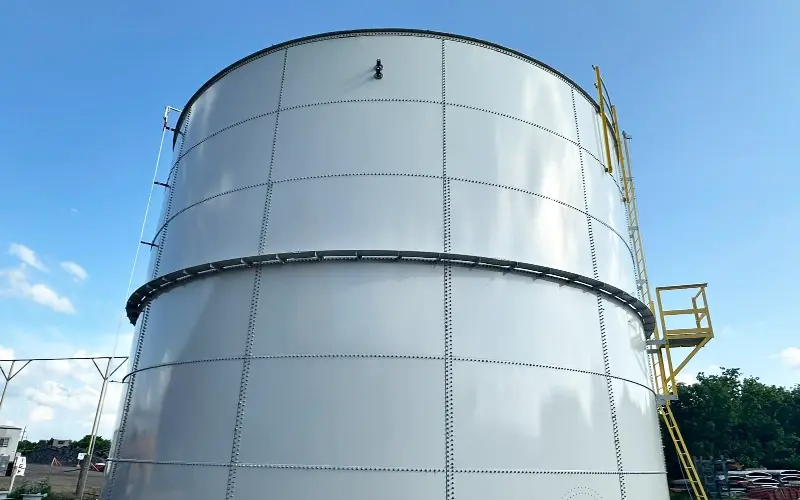
Poly tanks are factory-molded and typically used for smaller to mid-range capacities with simpler placement requirements. Corrugated tanks are site-built with scalable volumes and liner options. Bolted tanks are engineered, site-assembled steel systems suited for larger capacities and more complex project specifications.

How do I determine the right tank size for potable water storage?

Sizing depends on your daily demand, peak draw rate, refill frequency, and whether the system serves as primary supply or emergency reserve. A Sales Specialist can help you work through these variables based on your site conditions and intended use.