<img height="1" width="1" style="display:none;" alt="" src="https://px.ads.linkedin.com/collect/?pid=5375274&amp;fmt=gif">

✓ Protect, Repair & Extend Tank Life

Cistern Tank Liners

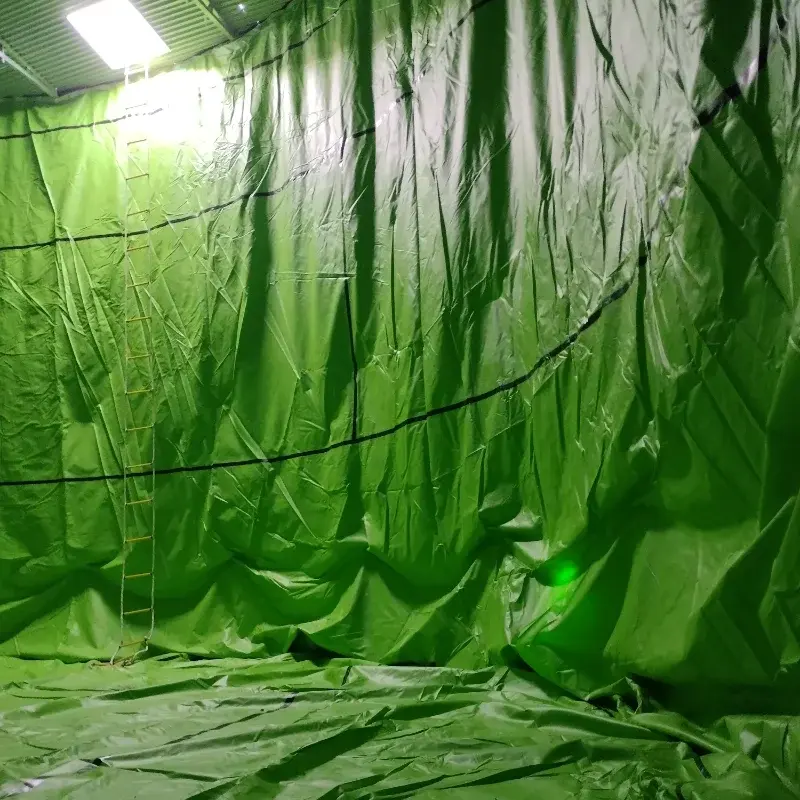
Our tank liners are custom-fit liners for cisterns and storage tanks that help restore containment, protect interior surfaces, and extend the life of existing systems. A cistern tank liner is often used when a tank needs repair, when interior surfaces are worn or compromised, or when a liner-based solution is needed for water storage. Custom and standard options are available for both potable and non-potable water applications based on the liner material and project requirements.
ANSI / NSF 61 Compliant

Download Spec Sheet

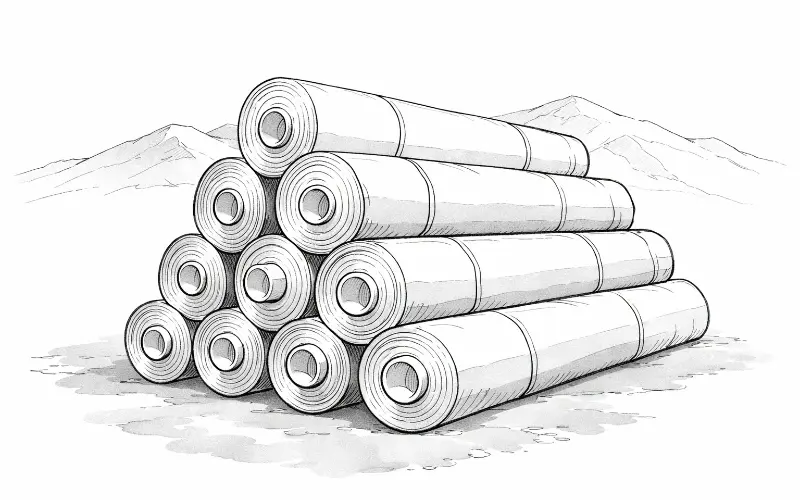
liner-rolls-piled-800x500-032026

Spec List

  • Base fabric weight: 6.5 oz/yd² on select materials
  • Material weight: 30 ± 2 oz/yd² to 38 ± 2 oz/yd²
  • Grab tensile strength: up to 550/550 lbf min.
  • Puncture resistance: up to 380 lbf depending on liner
  • Bursting strength: up to 1250 PSI on select materials

Features

  • Custom-fit liners for cistern and tank interior protection
  • Reinforced liner construction for strength and durability
  • Built for repair, retrofit, and containment restoration
  • Configured around tank dimensions and penetration layouts
  • Available for potable and non-potable water storage

Applications

  • Repairing aging cisterns with worn interior surfaces
  • Restoring containment in leaking tank systems
  • Retrofitting existing tanks for renewed service life
  • Supporting potable water storage with approved liners
  • Lining tanks for non-potable water containment
399-0520-tank-liner-black-800x800-032026

Storage Tank Liner Details

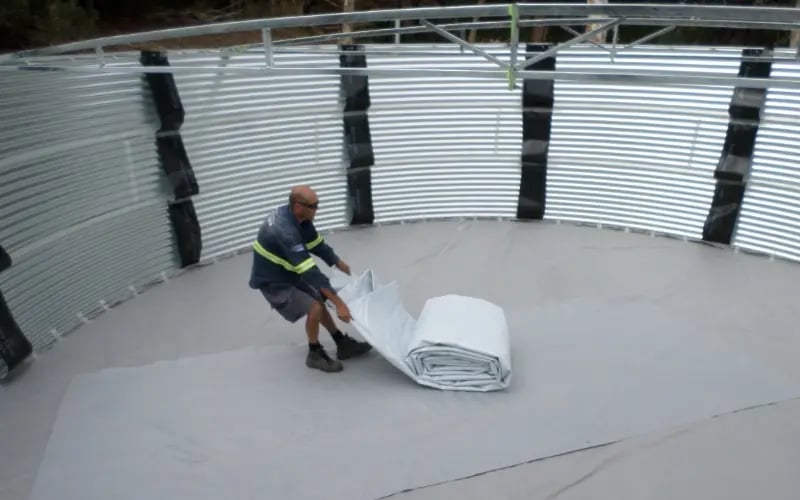
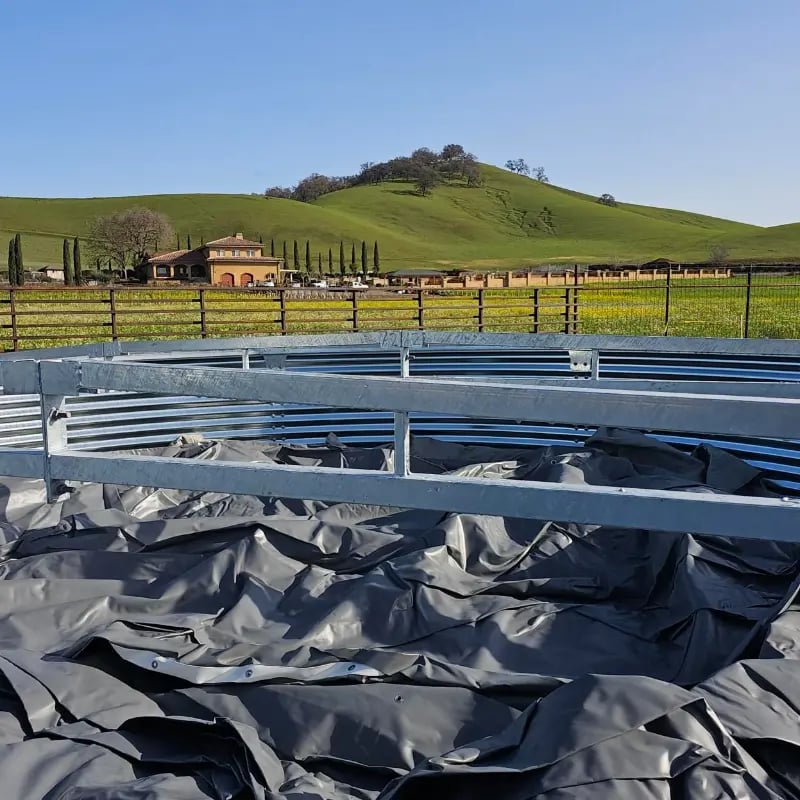
Tank liners are used when an existing cistern or storage tank needs a new interior containment surface but the overall structure remains serviceable. Common applications include aging tanks with interior wear, deteriorated surfaces, leakage concerns, or situations where a liner-based approach is preferred over full replacement. Because each liner is made to fit the application, the tank’s shape, dimensions, access openings, and penetration locations all affect how the liner is specified and fabricated.

Liner selection is also based on the intended use of the tank and the condition of the existing interior. The stored liquid, potable or non-potable use, and the presence of corrosion, cracks, coating failure, or surface wear all help determine the appropriate liner material, thickness, and fabrication requirements for the installation.
Specialist Support for Your Storage Project

Talk with a specialist for practical guidance and equipment recommendations.

  • 1920x700-Maxi-Tank-liner-and-truss-1024x373-480x332
  • 399-0520-tank-liner-black-v2-800x800-032026
  • 399-0520-tank-liner-gray-man-unrolling-800x800-032026

Frequently Asked Questions

Find quick answers to common questions about tank liners, including fit, application, potable use, and quoting requirements.

What is the difference between a cistern tank liner and tank lining?

A cistern tank liner is a custom-fabricated liner installed inside a cistern or storage tank to create a new interior containment surface. Tank lining is a broader term that can refer to the liner material or the process of lining the tank interior for protection and containment.

Can a liner be installed in an older or damaged tank?

In many cases, yes. Tank liners are often used in older cisterns and storage tanks when the structure is still serviceable but the interior surface has worn, deteriorated, or developed leakage concerns. Existing conditions such as corrosion, cracks, coating failure, and access limitations will affect liner design and installation requirements.

Can tank liners be used for potable water storage?

Some tank liners can be used for potable water storage, depending on the liner material and the application requirements. Potable use depends on selecting a liner that is appropriate for drinking water contact and suited to the specific tank and storage conditions.

What tank details are needed to quote a custom liner?

Quoting typically requires the tank type and material, tank shape, interior dimensions, access opening size, and the location of inlets, outlets, overflows, drains, and other penetrations. The stored liquid and the condition of the existing tank interior also help determine the appropriate liner material and fabrication approach. To get specialist assistance, contact us so we can provide the solution you need.