<img height="1" width="1" style="display:none;" alt="" src="https://px.ads.linkedin.com/collect/?pid=5375274&amp;fmt=gif">

Chemical & Hazardous Liquid Storage

Specialist guidance on selecting and specifying storage systems for applications involving corrosive, reactive, and hazardous liquids, with attention to compatibility, containment, and compliance.

What are Chemical Storage Tanks ?


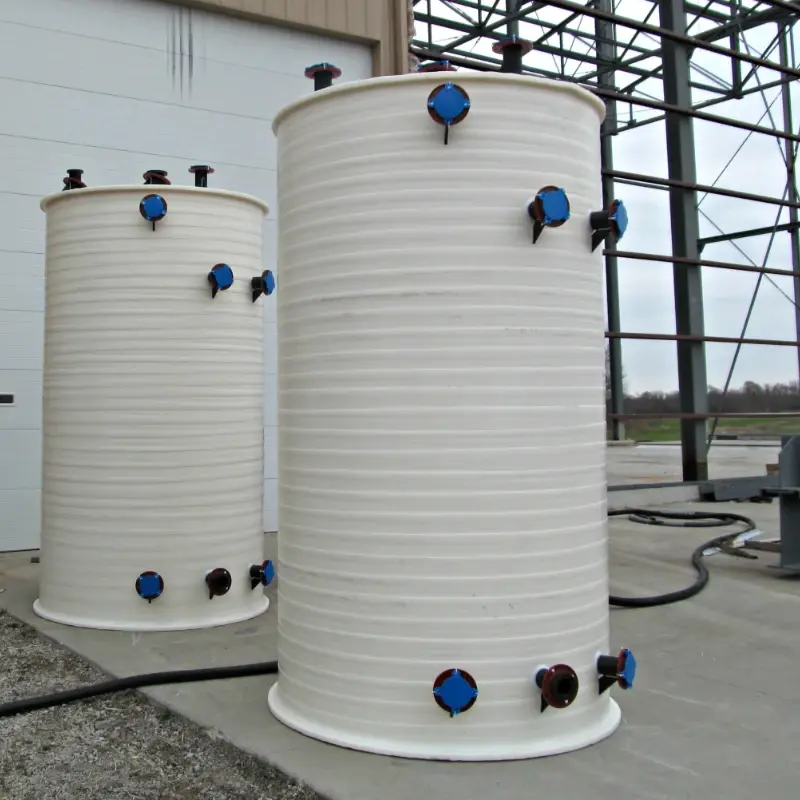
Chemical and hazardous liquid storage involves the containment of corrosive, reactive, or otherwise regulated liquids used in treatment, manufacturing, and processing operations. These systems support everything from bulk chemical feed to day tanks, batch mixing, and neutralization. What sets this application apart is the level of specification involved: the stored product, its concentration, operating temperature, and compatibility with the tank material, resin, or liner all drive the design. Our Chemical Compatibility Tool can help you start validating material suitability early in the process. Factor in secondary containment, venting configuration, and site placement, and the number of variables that must align before procurement makes general-purpose equipment a risky assumption. 

Who Works In This Field?

Process engineers, EHS managers, and procurement teams are often the key decision-makers in this space. Some are focused on validating chemical compatibility for a new feed system, while others are responsible for making sure secondary containment aligns with SPCC requirements or coordinating a tank replacement under a tight deadline. Although each role approaches the project from a different angle, the goal is the same: getting the specification right. Material selection, concentration tolerance, and site-specific compliance requirements all play a direct role in determining which tank system will perform reliably and meet the demands of the application. 

The Problem They Face

A single specification gap can lead to premature tank failure, a chemical release, or a compliance issue serious enough to interrupt operations. In many cases, the root cause is something avoidable, such as the wrong resin selection, inadequate venting, or a concentration mismatch between the stored chemical and the tank material. Problems also tend to escalate when secondary containment, fitting compatibility, and site-specific installation constraints all have to come together on a compressed timeline. In that environment, even a small oversight at the specification stage can turn into a costly field correction, project delay, or long-term performance problem.

Regulations, Codes, & Compliance

Chemical and hazardous liquid storage projects often involve documentation, review, and code compliance requirements that vary by facility, jurisdiction, and the authority having jurisdiction (AHJ). The codes and standards below are commonly referenced in the specification and review of chemical storage systems. Applicability depends on the chemical stored, the installation type, and local requirements.  


  •  NFPA 30: Flammable and combustible liquids code for storage and handling 


  •  IBC/IFC: Building and fire code requirements for chemical storage installations 


  •  SPCC (40 CFR 112): Spill prevention, control, and countermeasure planning requirements


Specialist Support for Your Storage Project

Talk with a specialist for practical guidance and equipment recommendations.

Frequently Asked Questions

Common questions about sizing, placement, water quality, and tank selection for Chemical & Hazardous water storage applications.

What happens if our chemical or concentration changes after the tank is in service?

A tank specified for one chemical or concentration may not be compatible with a different product or a higher concentration of the same product. Before making any change to the stored chemical, the compatibility with the tank material, resin, liner, fittings, and gaskets should be re-evaluated. A Sales Specialist can help you review whether your existing system supports the new conditions or if a respecification is needed.

How do FRP and polyethylene compare for chemical storage applications?

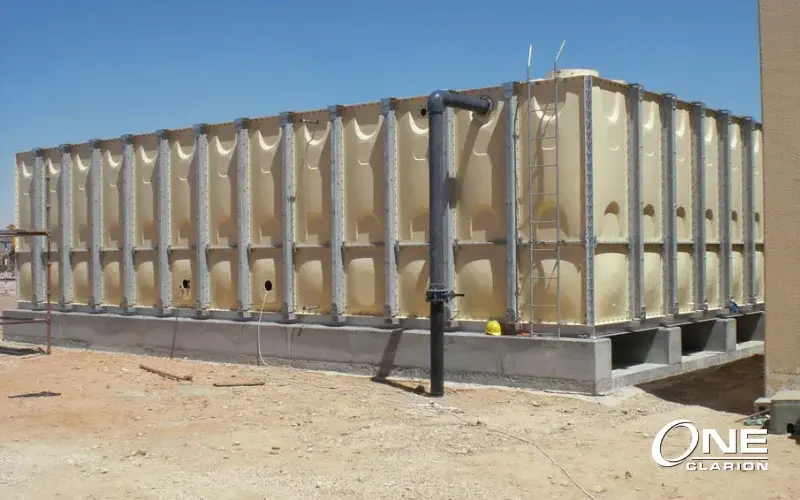
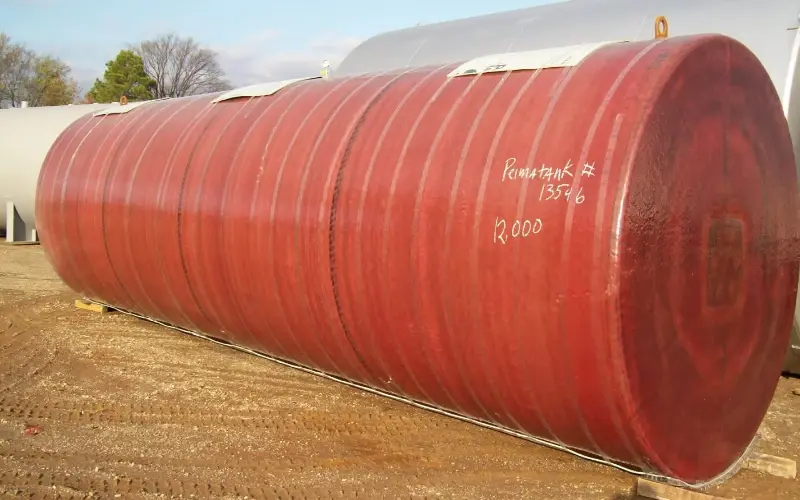
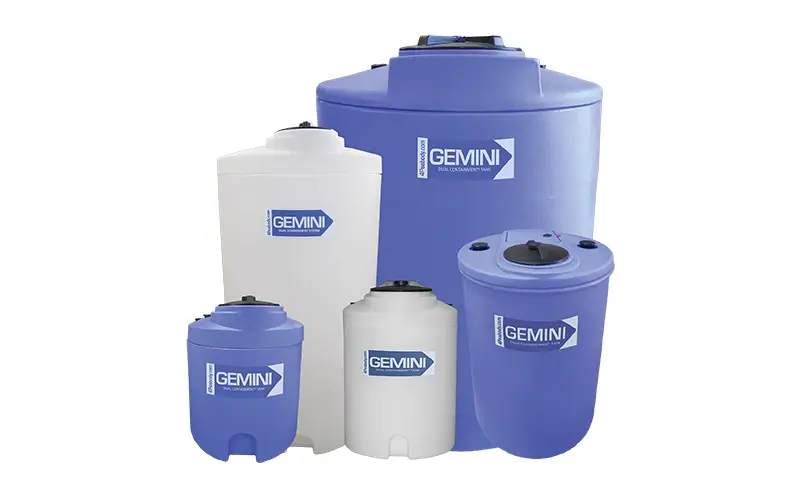
FRP tanks offer a wider range of resin and liner options, which allows them to be specified for a broader set of chemicals, concentrations, and temperature ranges. Polyethylene tanks are lighter and easier to handle but are generally suited for lower concentrations and ambient temperature conditions. The right choice depends on the specific chemical, its operating conditions, and the installation requirements.

How do we approach storage when our facility handles multiple chemicals?

Each chemical requires its own compatibility review, so a single tank type or material will not always work across the board. Facilities handling multiple chemicals typically need separate storage systems specified individually around each product. A Sales Specialist can help you map out the right storage path for each chemical in your operation.

How should we plan for replacing or retrofitting a chemical storage tank that has failed or aged out?

Start by documenting the chemical, concentration, and operating conditions the original tank was handling, along with any fitting, venting, or containment details that need to carry over. Site access, foundation condition, and tie-in points should be evaluated before specifying the replacement. Our team can help you scope the replacement so the new system addresses the conditions that may have contributed to the original failure.