<img height="1" width="1" style="display:none;" alt="" src="https://px.ads.linkedin.com/collect/?pid=5375274&amp;fmt=gif">

Underground Fuel Applications

Underground Fuel Storage

Learn about underground fuel storage as an application — where it is used, what factors shape system planning, and what installation and site conditions buyers typically manage. It also introduces the underground storage solution One Clarion offers for this use case. Whether you are evaluating a new installation or replacing an existing system, use this page as a starting point for understanding the requirements that drive underground fuel storage decisions.

Design is how your brand speaks before you say a word. I make sure it speaks with clarity and confidence.

What is Underground Fuel Storage?


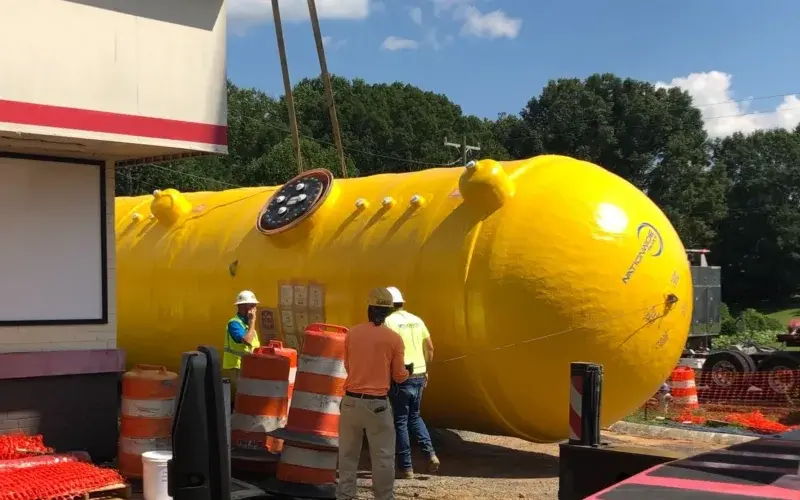
Underground fuel storage is the practice of storing diesel, gasoline, or other fuel products in tanks buried below grade. An underground storage tank is selected when aboveground placement is not practical due to site layout, space constraints, visibility requirements, or security considerations. Burying the tank removes it from the surface footprint, reduces exposure to ambient temperature swings, and keeps fueling infrastructure less obtrusive to the surrounding site. Common applications include fleet fueling depots, backup generator supply, industrial and commercial facilities with onsite fueling needs, construction staging areas, and remote sites where a permanent underground fuel storage tank supports long-term operations.


Underground fuel storage is a highly project-specific application. Selecting the right storage tanks underground is not simply a matter of capacity. Site and soil conditions, groundwater depth, burial depth and clearances, and how the system will be accessed and maintained after installation all shape the final configuration. Planning for fill connections, vent outlets, monitoring ports, and manway access points must happen early, as these elements need to align with surface grading, pavement, and site circulation before excavation begins. An underground diesel tank or multi-product system that is not planned with access and installation sequencing in mind can create costly rework once the tank is in the ground.

Who is the Audience?

Underground fuel storage projects are managed by a range of personnel across industries and project types. Fleet and municipal operations, industrial facilities, commercial properties with onsite fueling needs, backup power installations, and construction or remote sites all rely on underground storage systems to keep fuel available without consuming surface space.

The people responsible for these projects include facility managers, operations teams, engineers, environmental and compliance personnel, project managers, procurement teams, maintenance staff, and contractors coordinating excavation and installation work. Each brings a different set of priorities to the project, but all share the need for a storage system that is correctly specified, properly installed, and built to serve the site long term. 

The Problem

Underground fuel storage projects carry planning and coordination challenges that aboveground installations do not. Site and soil conditions, water table depth, and burial requirements all affect how a tank can be configured and installed at a given location. Permitting and review processes vary by jurisdiction, meaning submittal requirements need to be identified before the project scope is locked.

Access points for fill, venting, monitoring, and inspection must be engineered into the system before installation, not added after the fact. Getting these details right from the start is what separates a clean installation from a costly one, and it is where having an experienced resource early in the process makes a measurable difference. 

Helpful Codes & Regulations

 Underground fuel storage projects operate within a broader framework of industry standards, installation practices, and jurisdiction-specific permitting requirements. The references below represent general guidelines commonly associated with this application. Applicable requirements for any given project will depend on the stored product, installation location, and the authority having jurisdiction. Project teams should confirm which standards and regulations apply early in the planning process before scope and submittal packages are finalized. 


  •  UL 1316 - Covers design, construction, inspection, and testing of factory-coated bolted carbon steel tanks.  


  •  PEI RP 100 - Recommended installation practices for underground liquid storage systems in the field.  


  •  EPA 40 CFR Part 280Federal regulatory framework governing underground storage tanks storing petroleum products. 


  •  NFPA 30 / 30A - Fire protection standards for flammable liquid storage and service station applications. 


  •  API RP 1615 - Recommended practice for the installation of underground petroleum storage systems. 


Specialist Support for Your Storage Project

Talk with a specialist for practical guidance and equipment recommendations.

Frequently Asked Questions

Common questions about underground fuel storage requirements, tank selection, and project planning.

How do I size an underground fuel storage tank?

Sizing depends on your required fuel volume, draw rate, and resupply frequency. Sites with limited delivery access or high consumption typically require larger capacity to avoid operational disruption. A Sales Specialist can help work through the numbers based on your specific site and fueling demands.

What permitting is typically required for underground fuel storage?

Permitting requirements vary by jurisdiction and depend on the stored product, site classification, and local regulatory authority. Most projects involve some level of AHJ or environmental agency review, and submittal packages typically include product specifications and installation documentation. Requirements should be confirmed with your local permitting authority early in the planning process.

Why is FRP preferred over steel for underground fuel storage?

FRP resists corrosion from both the stored fuel product and the surrounding soil without requiring cathodic protection systems. Steel tanks need additional corrosion control measures that add cost and ongoing maintenance. For most underground fuel applications, FRP offers a lower-maintenance profile over the service life of the system.

What access points need to be planned before installation?

At minimum, underground fuel systems require fill connections, vent outlets, monitoring ports, and manway access risers. These need to be positioned and sized before the tank goes in the ground, as retrofitting access points after installation is costly. Coordinating access placement with surface grading and site circulation early prevents rework once excavation begins.