✓ Towable Tank Configurations
Water Trailer Tanks
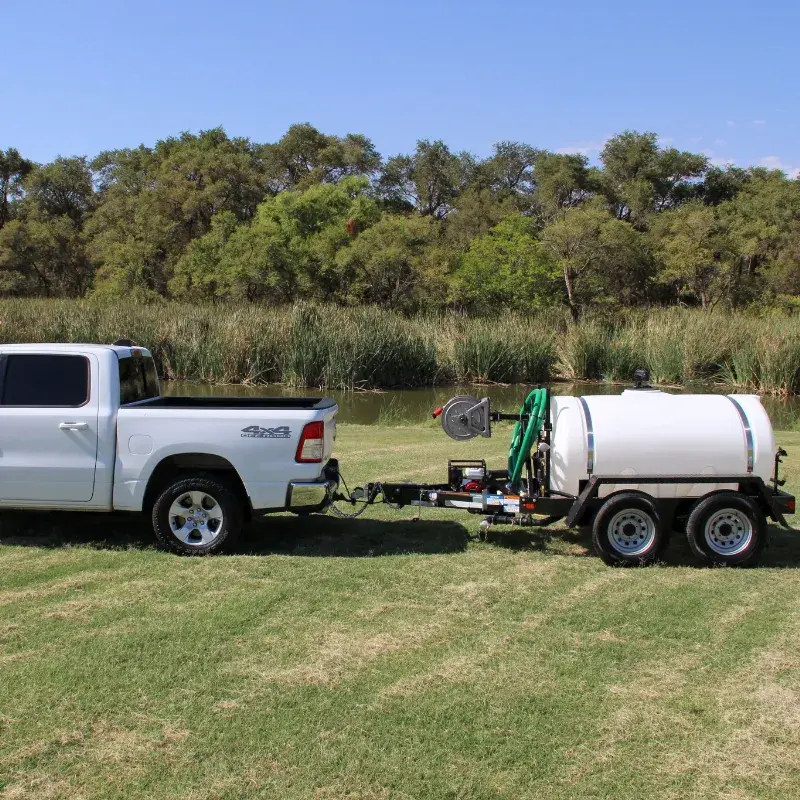
Water trailer tanks are towable water storage systems built to bring water where it’s needed on jobsites, remote locations, and temporary work areas. They’re commonly used for jobsite water supply, dust control support, washdown, and temporary potable or non-potable water service. Configurations can be matched to the required capacity, towing setup, fill method, discharge needs, and site access conditions.
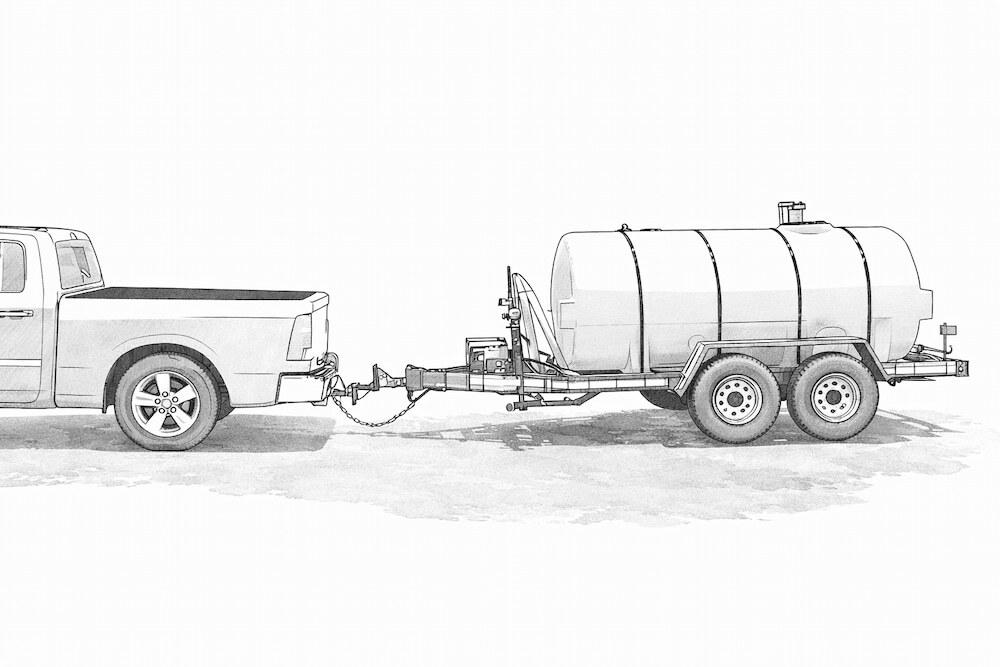
Browse Water Trailers
Water trailer tanks come in multiple trailer builds to match potable water hauling, arena watering, pressure washing, nurse trailer support, firefighting, and general jobsite use. Explore available sizes and trailer options.
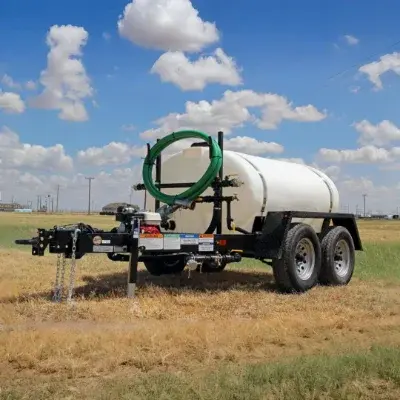
550 Express Trailer
Our most popular trailer, built for easy towing and reliable water delivery for dust control, washdown, and everyday field use.
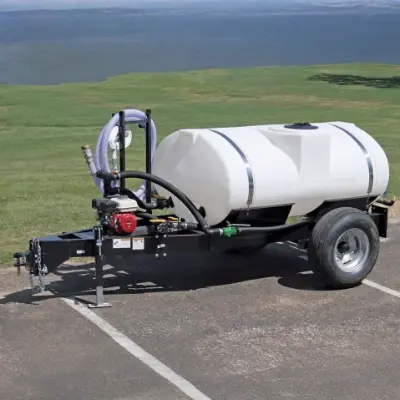
550 Arena Trailer
Built for arena watering with even moisture distribution and dust control support for riding surfaces, roads, and parking areas.
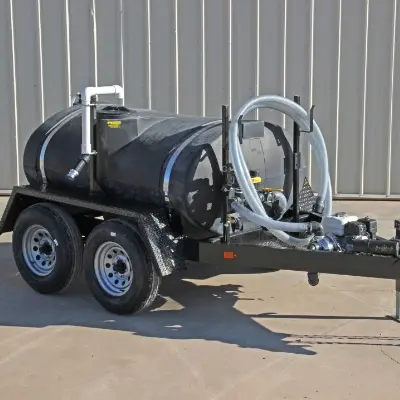
550 Potable Trailer
Potable-ready trailer for mobile drinking water transport, with configurations used for hauling clean water to jobsites and remote locations.
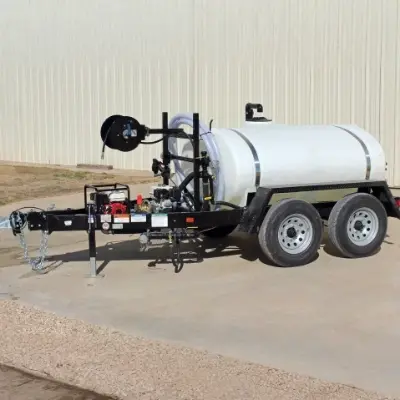
500 Pressure Washer Trailer
Dual-purpose trailer for cold water pressure washing and dust control spraying in one mobile setup.
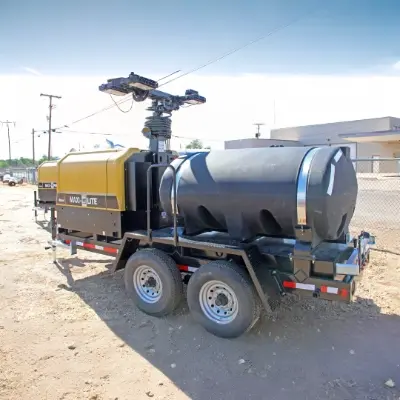
500 Combo Trailer
All-in-one trailer with water, light, and power for remote field operations, industrial use, and temporary jobsite support.
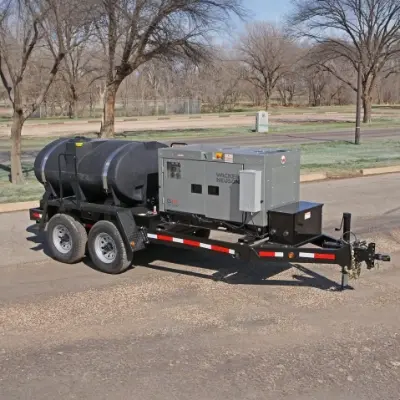
500 Generator Trailer
Generator trailer built for remote sites, industrial applications, and emergency power support where utility access is limited.
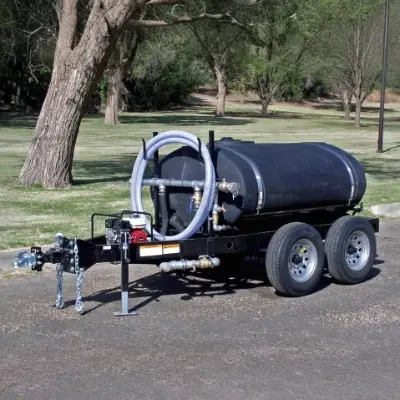
Firefighting Trailer
Fiberglass cone bottom tanks for applications requiring larger sizes, custom fabrication, or material options beyond standard poly.
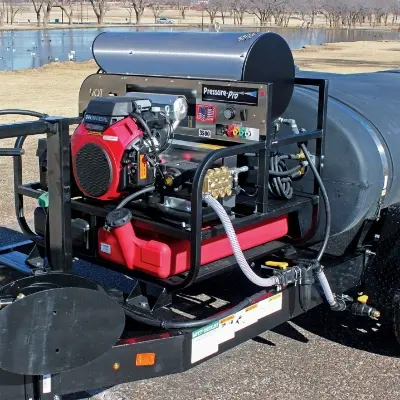
Hot Pressure Washing Trailer
Water trailer with built-in hot pressure washer for large-scale cleaning and industrial maintenance.
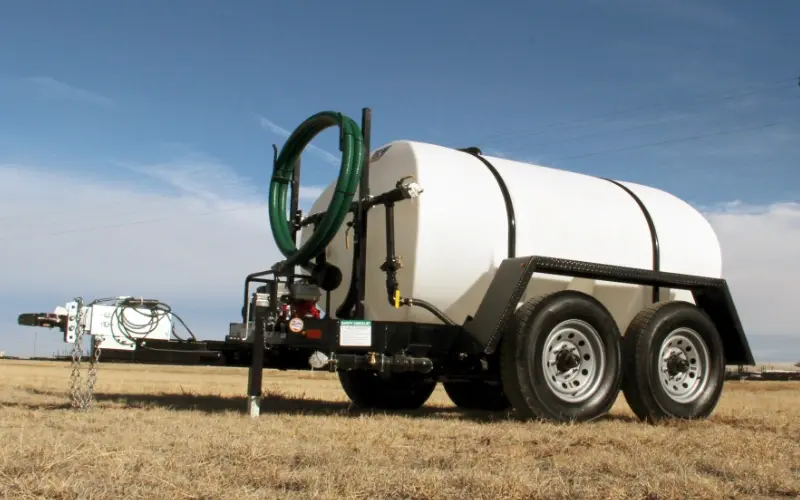
800 Express Trailer
DOT-compliant 800 gallon water trailer built for larger jobs involving construction, maintenance, and dust control.
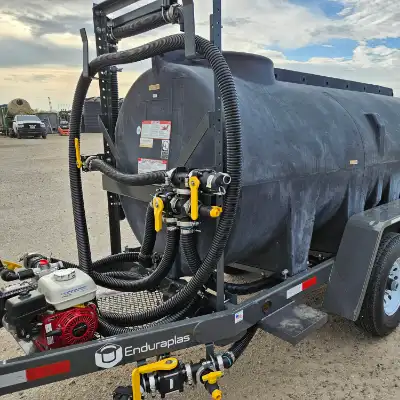
1010 Non-Potable Trailer
Non-potable distribution trailer for construction, landscaping, and general site water management.
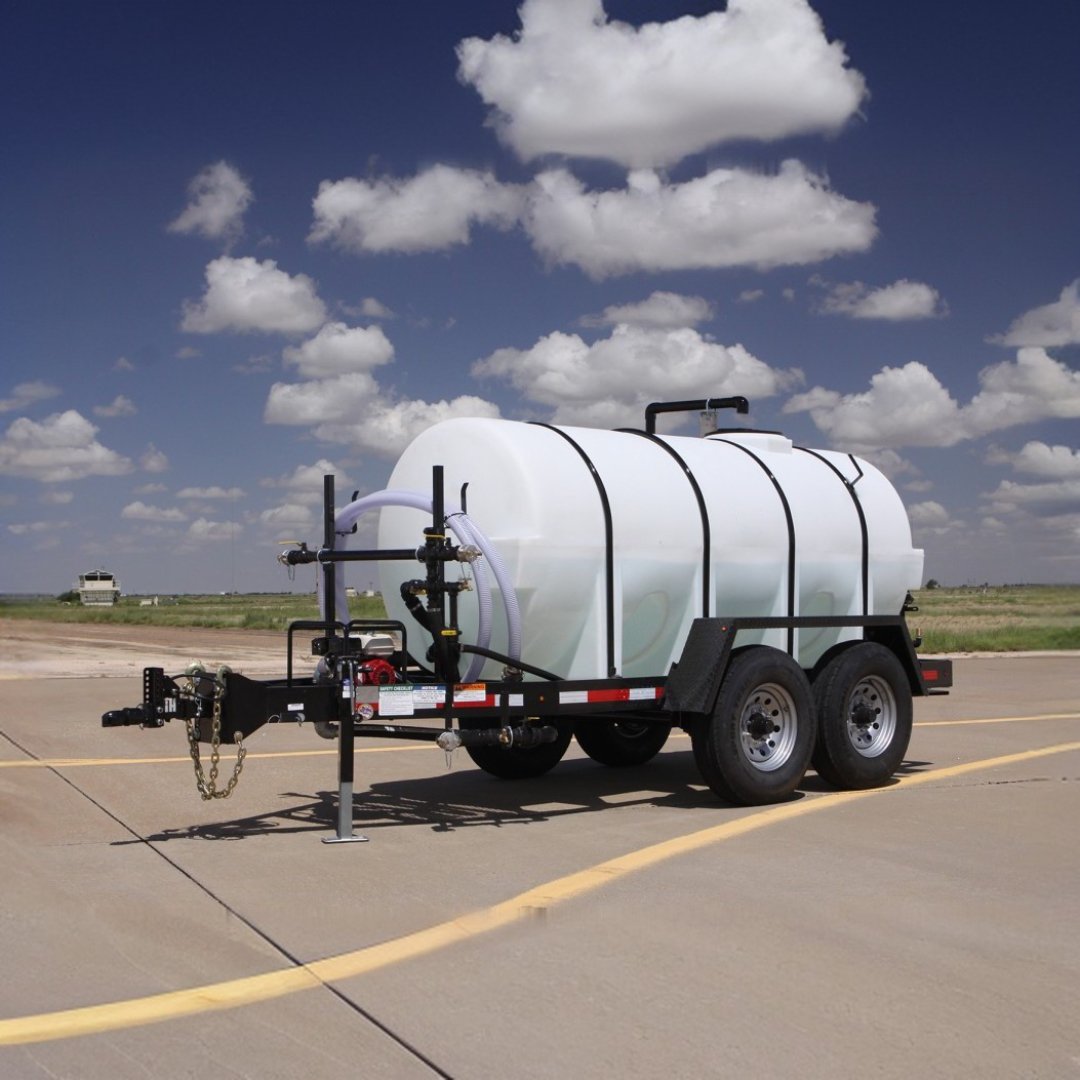
1025 Express Trailer
Higher-capacity water trailer with spray bar, suction hose, and electric brakes for heavier-duty hauling and site support.
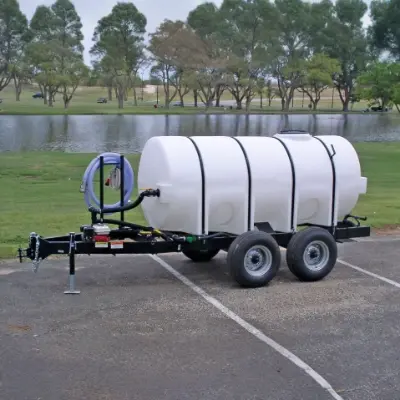
1025 Arena Trailer
Heavy-duty arena water trailer for larger watering jobs and demanding water hauling applications.
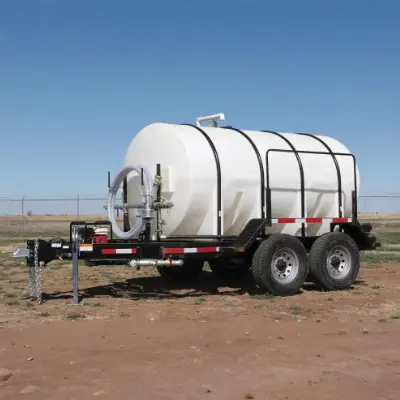
1600 Express Trailer
High-capacity DOT-compliant water trailer for rugged water storage, remote locations, and demanding field use.
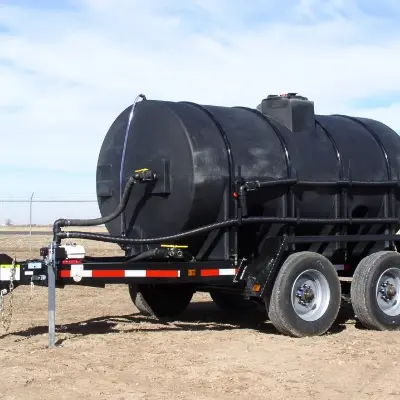
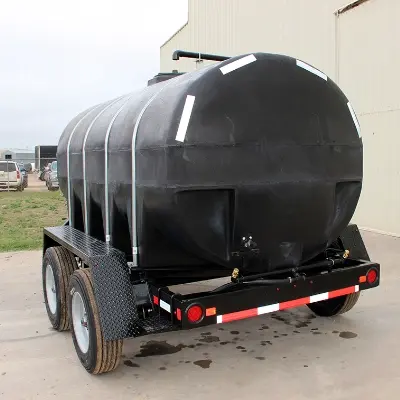
Water Buffalo Tanks Details
The right water trailer tank depends on the type of water being hauled, the capacity needed on site, and how the trailer will be filled, towed, and discharged. Start by confirming whether the application is potable or non-potable, then estimate how much water is needed and how often the tank can be refilled. Common capacities for this category include 550, 800, 1,025, 1,600, and 2,010 gallons.
The right size and configuration often come down to daily water demand, run time between refills, towing limits, and where the trailer will be used. Applications such as jobsite supply, dust control support, washdown, remote access work, and nurse trailer service may call for different trailer styles or accessory options. Fill method should also be noted, whether by hydrant connection, transfer pump, or bulk fill source.
For discharge, include whether crews need hose draw-off, gravity discharge, pump-fed output, spray application, or another delivery method. It also helps to share how often the trailer will be moved, along with any site access, delivery, offload, or storage constraints and your project timeline, so the setup can be matched to the application.