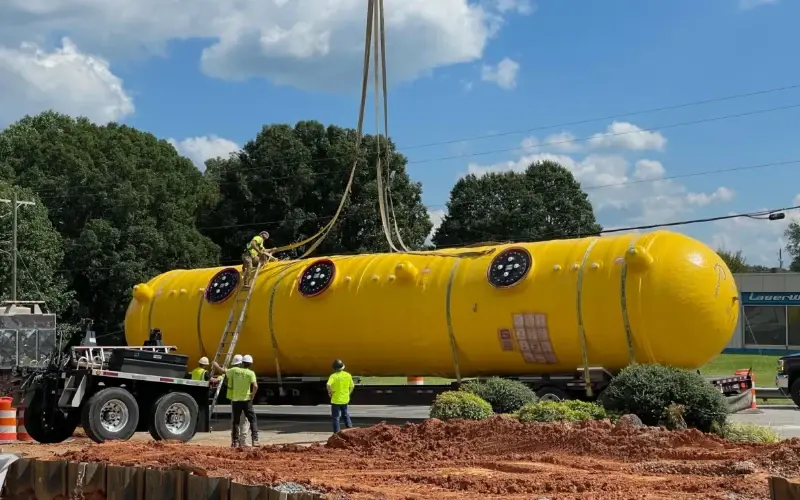
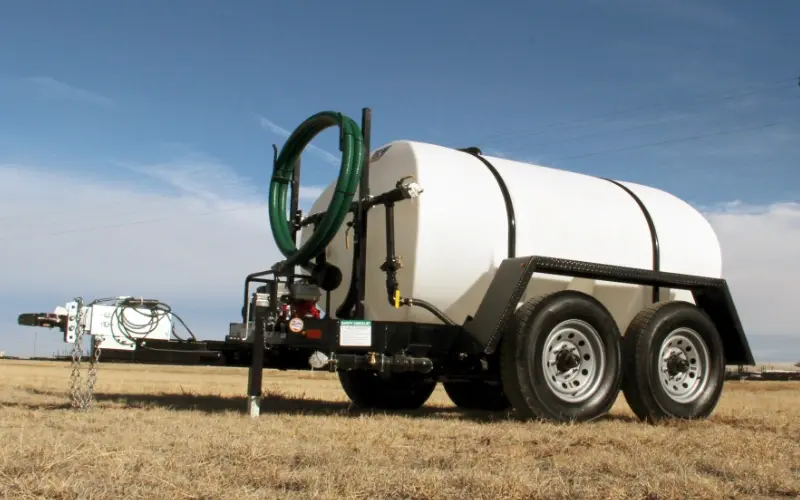
Browse & Choose Your Tank Type
The Right Tank. The Right Fit.
Use this page to compare storage tank types based on requirements such as aboveground, underground, or mobile placement, installation method, footprint constraints, and material compatibility. Browse bolted steel, corrugated steel, FRP, poly, and bladder tanks, then open a tank type to review options, documentation, and next steps.
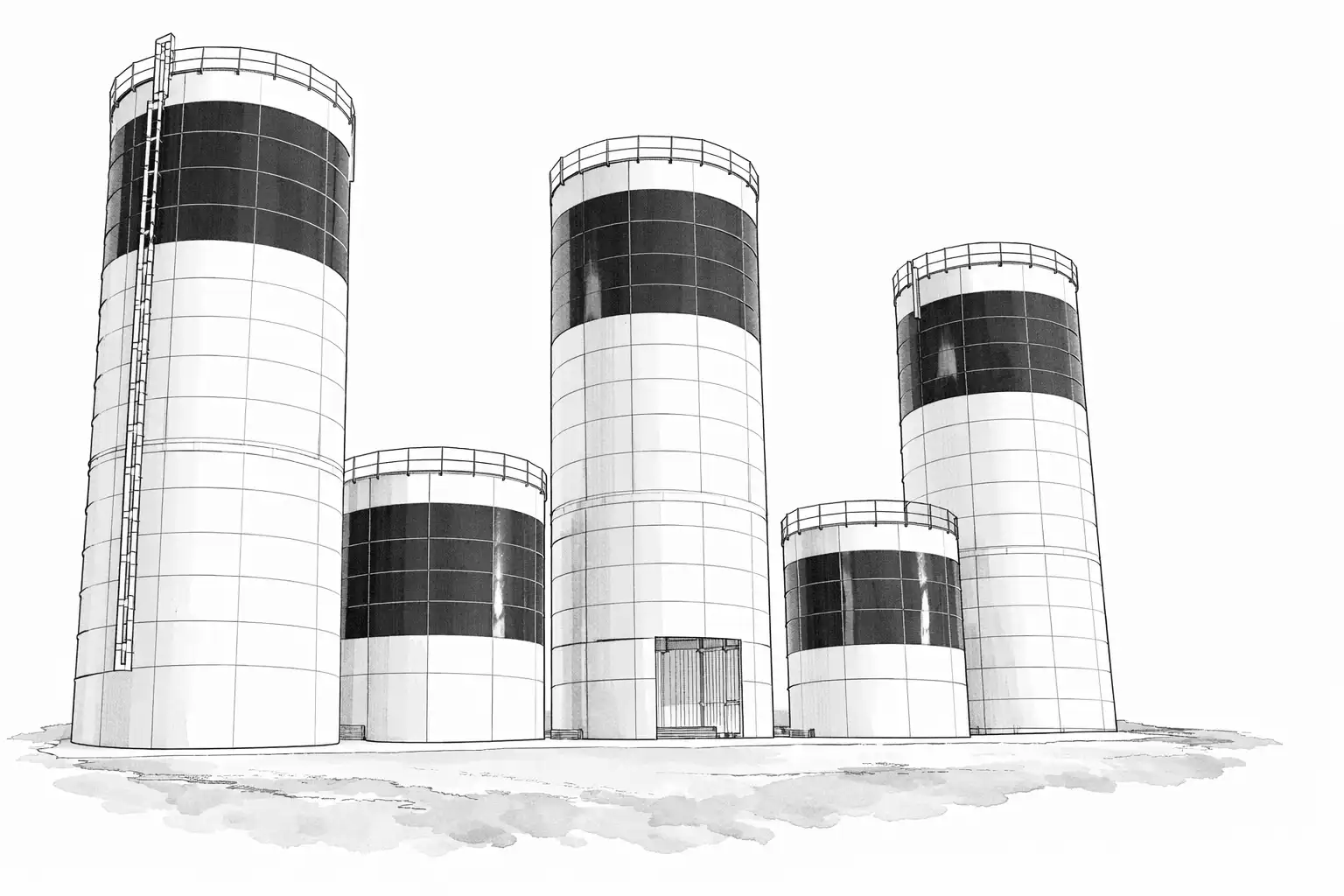
Browse Our Tank Types
Filter or scroll through the tank types to find the right solution for your project.
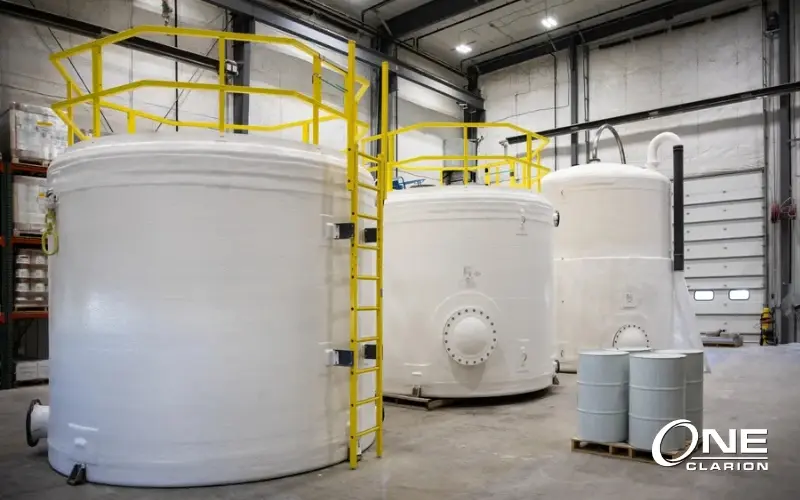
Aboveground FRP Tank
Shop-fabricated fiberglass tanks for aboveground liquid storage where corrosion resistance, chemical compatibility, and structural rigidity are required.
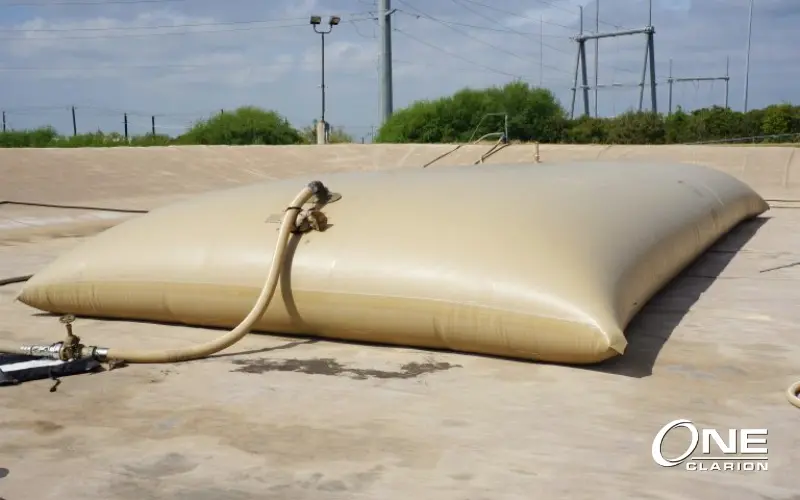
Bladder & Pillow Tanks
Flexible, collapsible fabric tanks for temporary liquid storage without permanent infrastructure, ideal for site water, temporary holding, and remote locations.
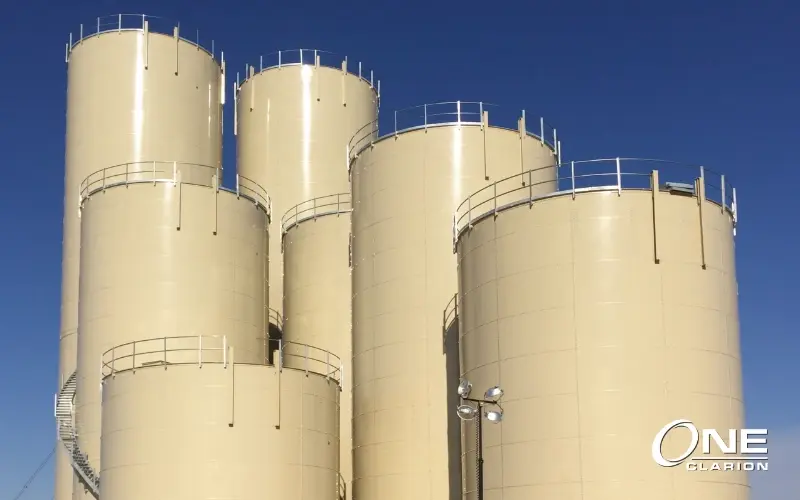
Bolted Steel Tank
Built from steel panels and assembled on-site, these tanks are often selected for large-capacity water and wastewater storage.
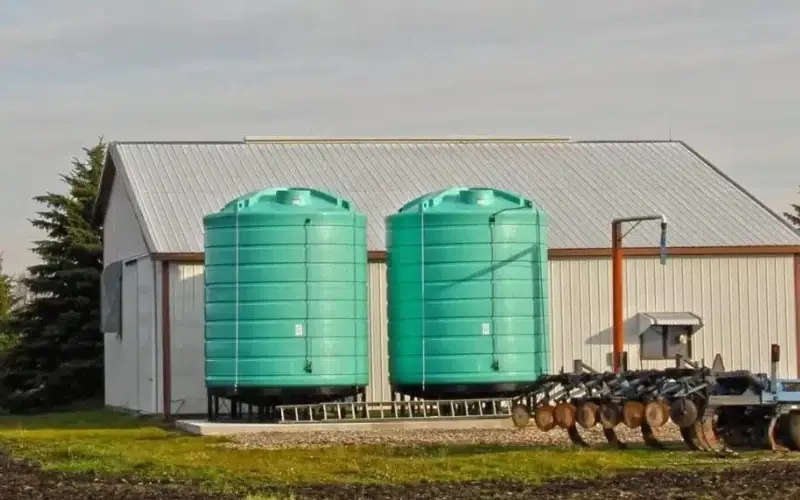
Cone Bottom Tank
Poly cone bottom tanks with an angled base and center outlet for applications that require complete or near-complete drain-down.
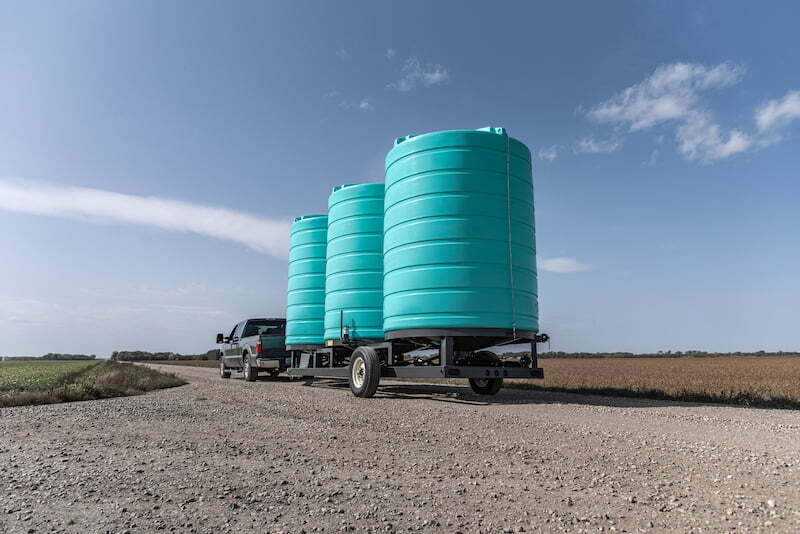
Cone Bottom Trailer
A mobile cone bottom tank, typically built in poly or fiberglass, for transporting liquids and improving discharge during unloading.
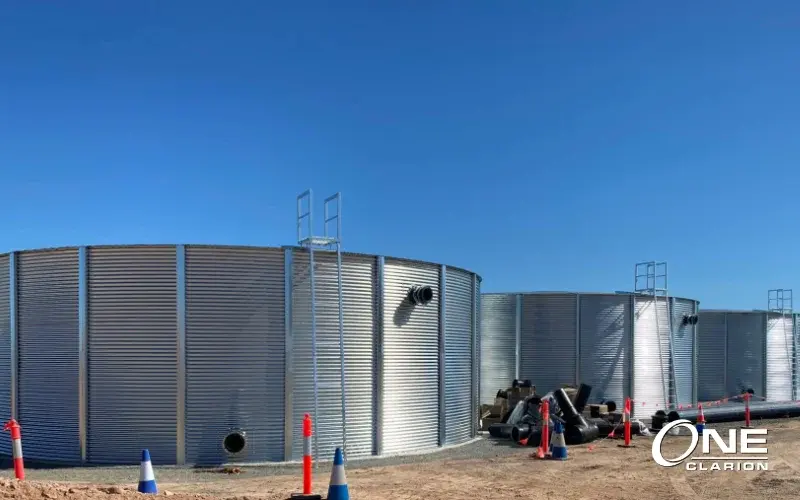
Corrugated Steel Tanks
Corrugated steel tanks with liner systems are a cost-effective option for fire protection water, rainwater harvesting, and wastewater storage.
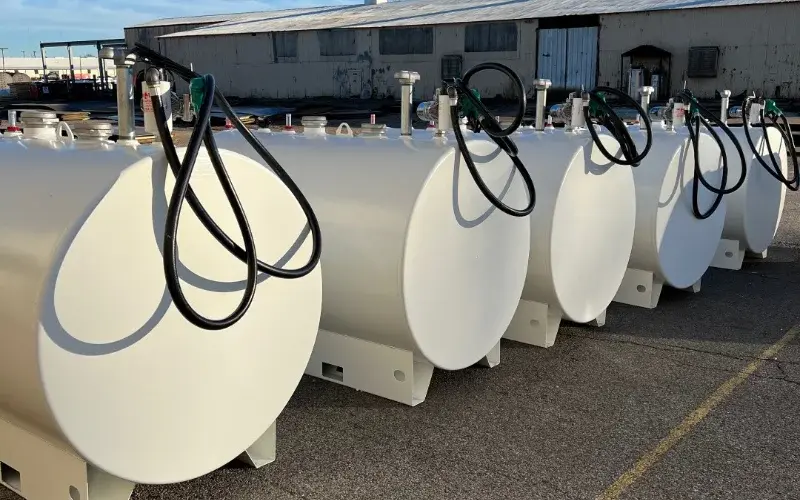
Fuel Tank
Welded steel tanks makes these a standard choice for storing diesel, gasoline, and other petroleum products above or below ground.
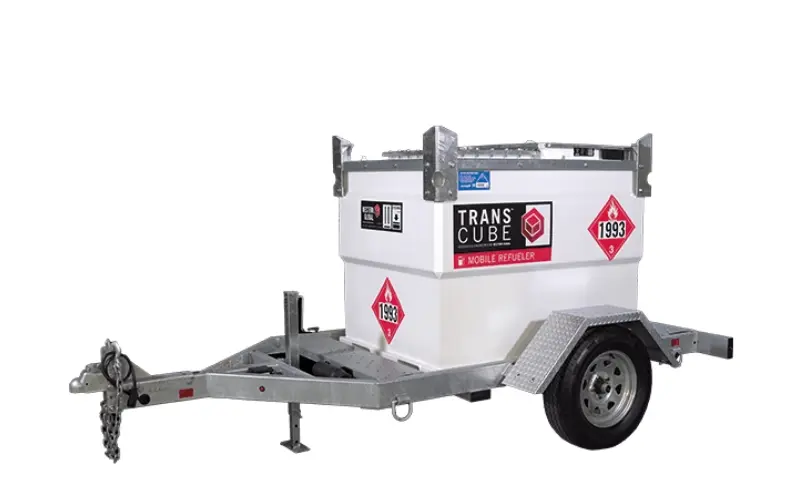
Fuel Trailer Tanks
Trailer-mounted fuel tank system for transporting and dispensing fuel in field, fleet, and equipment support applications.
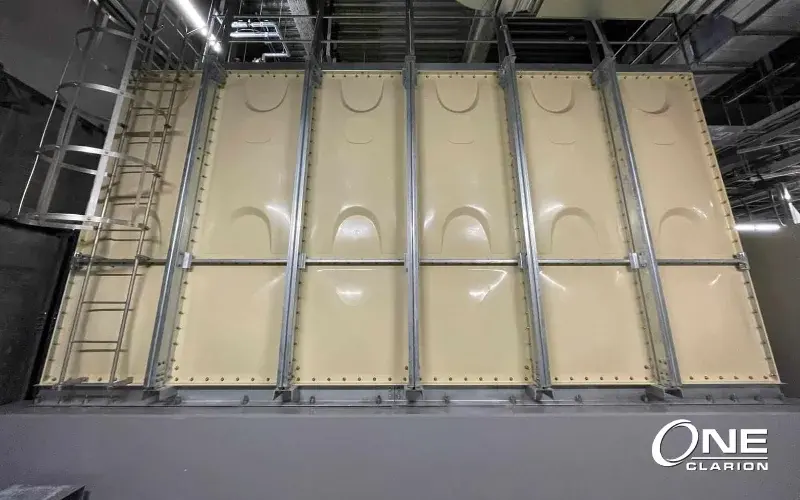
Modular FRP Panel Tank
Sectional fiberglass panels allow these tanks to be assembled inside buildings or other restricted-access spaces where one-piece tanks will not fit.
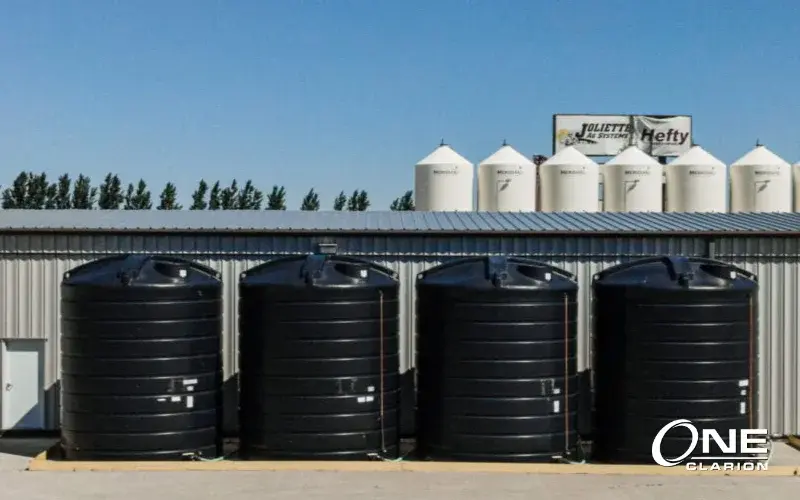
Polyethylene & Plastic Tank
Rotomolded polyethylene tanks offer lightweight handling and corrosion resistance for water, chemical, and general liquid storage.
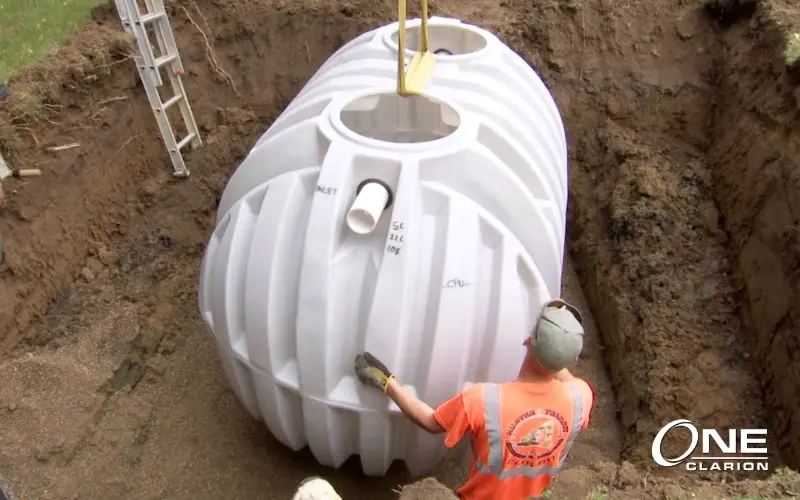
Septic Tanks
Underground polyethene wastewater tanks used to collect, retain, and separate solids from effluent where a municipal sewer connection is not available.
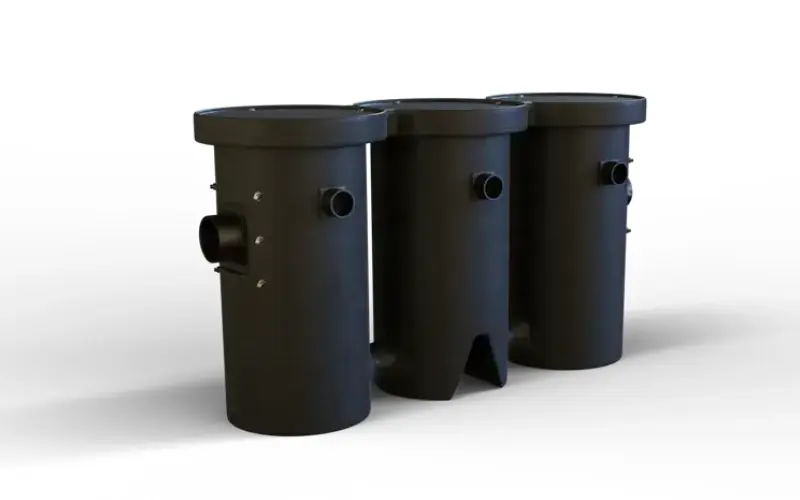
Sewage Basin Tank
Below-grade fiberglass collection vessels that hold wastewater until a submersible pump moves it to the next point in the system.
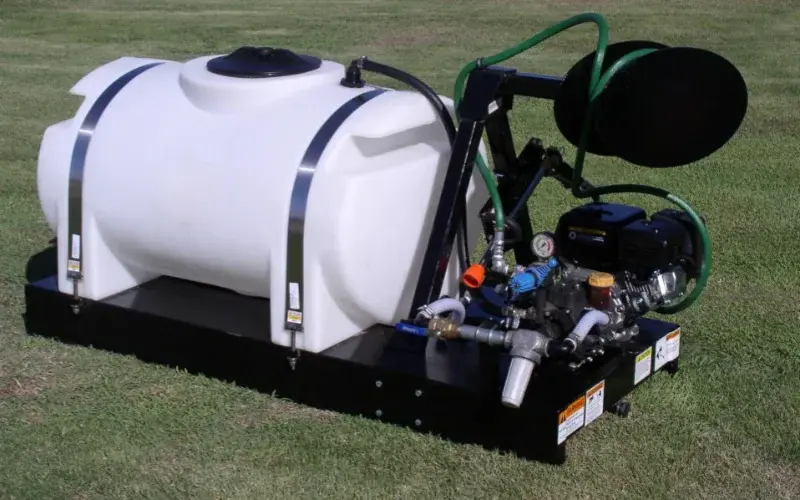
Skid Sprayer
Built around a poly tank and skid frame, these units create a compact mobile sprayer for liquid application, washdown, and grounds care.