Portable & Welded Fuel Storage
Fuel & Gas Tanks
Fuel & gas tanks are used for jobsite fueling, temporary fuel storage, and equipment or generator refueling across construction sites, fleet yards, and remote work areas. Available options include portable fuel storage tanks, aluminum fuel tanks, skid fuel tank systems, gas storage tank models, and steel welded tanks, with configurations selected based on fuel type, capacity, placement, mobility, and dispensing needs.
Explore Fuel & Gas Tank Types
View the different tank types to find the right solution for your project.
Aboveground Fuel Tanks
Portable, skid-style, and welded tank options for accessible onsite fuel storage and fueling.
No products found in this category.
Jobsite Fuel & Gas Tank Details
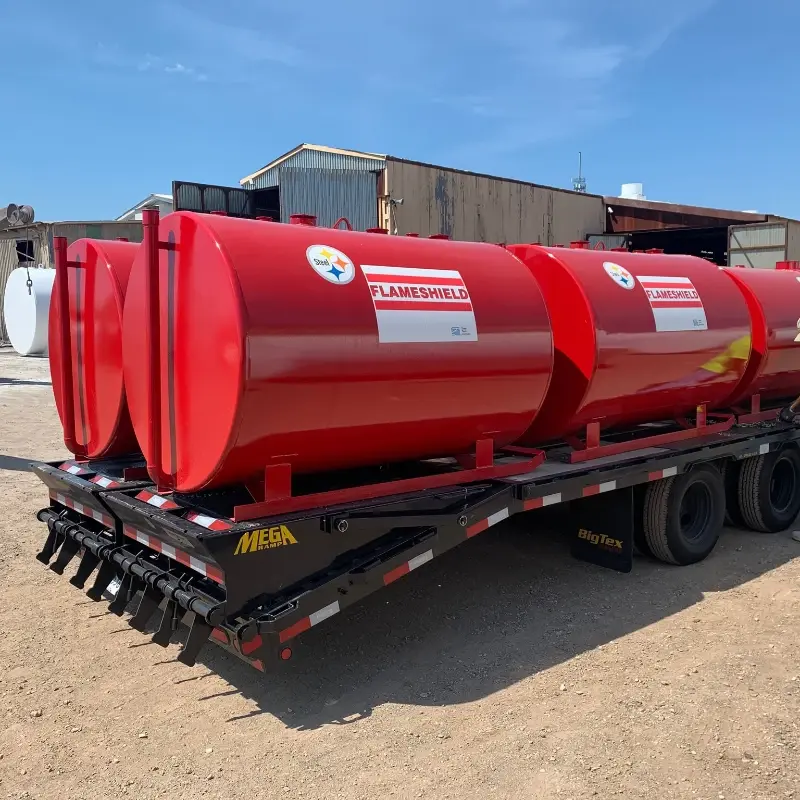
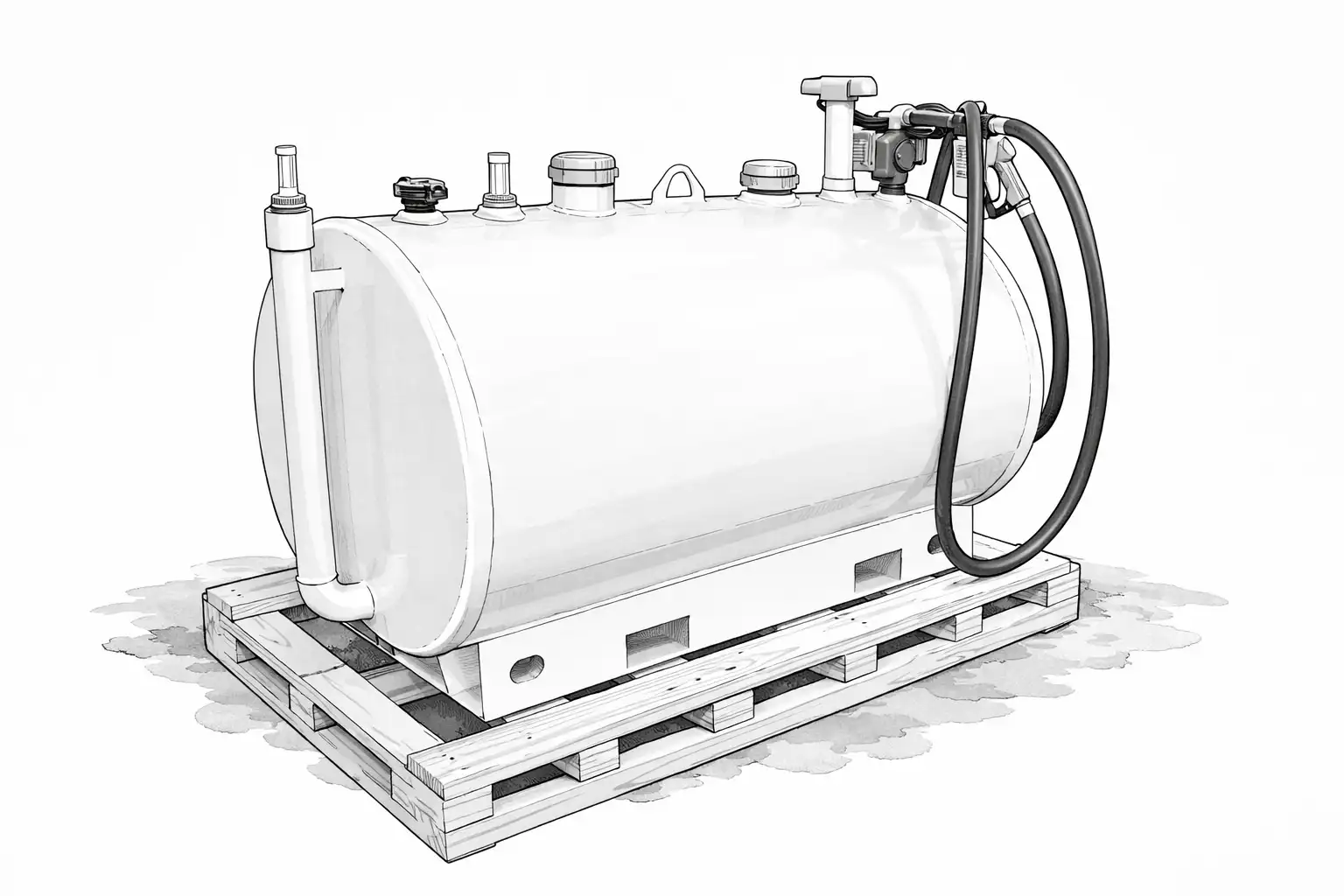
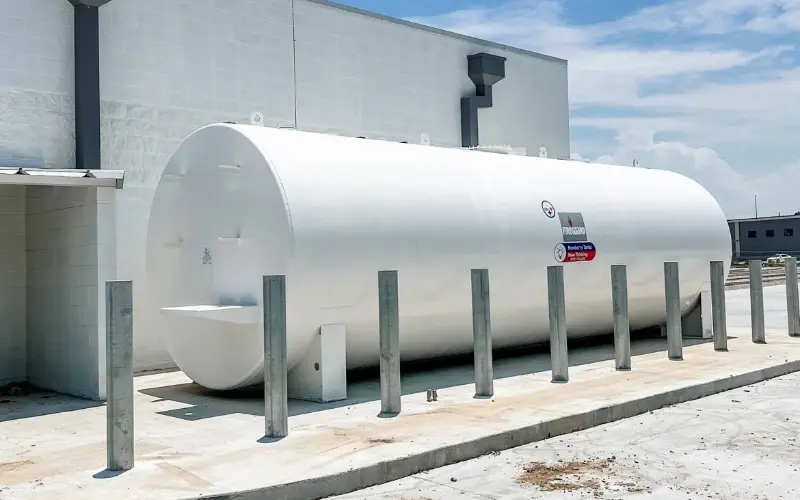
Aboveground fuel tanks are commonly used where fuel needs to stay accessible for daily operations. They are a practical choice for jobsite fueling, temporary fuel storage, and equipment or generator refueling because they are easier to place, inspect, and service. Portable fuel tank, skid fuel tank, and larger welded tank options can all be selected based on fuel type, storage volume, dispensing needs, and how often the tank may need to be moved.
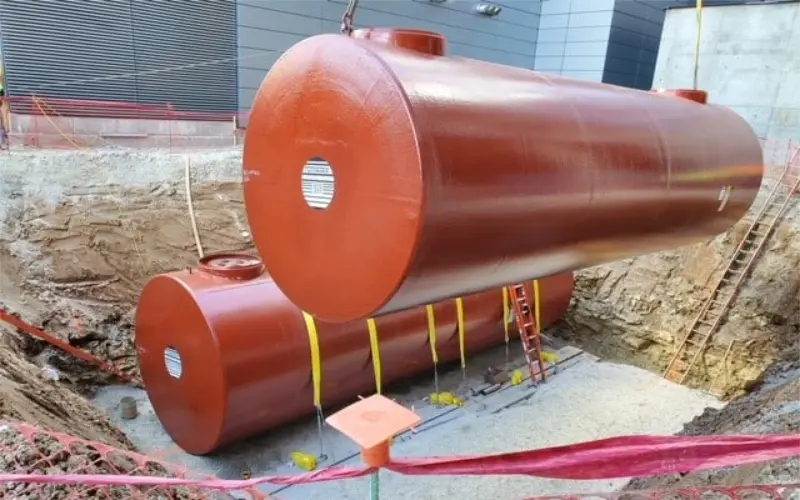
Underground fuel tanks are typically used when fuel storage needs to stay below grade for site layout, traffic flow, or longer-term placement. These systems usually require more planning during quoting because burial conditions, groundwater, and monitoring requirements can affect the final configuration. In areas with a high water table or wet site conditions, buoyancy must also be considered, and anti-float measures such as hold-down pads, straps, deadmen, or other anchoring adjustments may be required based on the site and job requirements.
Compliance should be reviewed by installation type. Aboveground fuel tank applications commonly reference UL 142 or UL 2085, while underground systems are reviewed under current EPA UST requirements for release prevention, corrosion protection, containment, and monitoring. Final tank selection should confirm fuel type, capacity, placement, dispensing requirements, site conditions, and the applicable code path for the installation.
Spec List
- Fuel compatibility: diesel, gasoline, DEF, ethanol, and biodiesel blends
- Capacities: 30 to 30,000 gallons
- Construction: aluminum, welded steel, or double-wall steel/fiberglass
- Containment: single-wall, double-wall, or fully contained portable
- Mobility: stationary, movable on site, or transportable
- Placement: aboveground, underground, yard, or remote site
- Compliance: UL 142, ACT-100, UL 58, and UL 1746 by model
Features
- Portable and stationary tank styles — fixed or moveable use
- Aboveground and underground options — surface or buried storage
- Dispensing configurations by model — storage or fueling setups
- Accessory packages by application — matched to the use case
- Containment options by tank type — single-wall, double-wall, or fully contained
- Submittal materials where available — literature and drawings on select models
Applications
- Construction jobsites: fuel staged near active work areas
- Temporary fuel storage: short-term onsite fuel holding
- Equipment fueling: support for heavy equipment and machinery
- Generator fueling: fuel supply for temporary or backup power
- Fleet yards: onsite fueling for vehicles and rental fleets
- Remote work sites: fuel access where permanent systems are not available
Specialist Support for Your Storage Project
Talk with a specialist for practical guidance and equipment recommendations.
Frequently Asked Questions
Explore common questions about fuel and gas tanks, including quoting, placement, compliance, and application details. If you do not see your question here, contact our team for help with tank selection and project requirements.
What information do you need to quote a fuel tank?
The main quote inputs are fuel type, required capacity, use case, aboveground or underground placement, how often the tank will be moved, dispensing needs, site access, and timeline.
What standards apply to fuel tanks?
That depends on the tank type and installation. Aboveground tank applications commonly reference UL 142 and, for some protected designs, UL 2085, while underground systems are reviewed under EPA UST requirements for release prevention, corrosion protection, containment, and monitoring.
What is the difference between aboveground and underground fuel tanks?
Aboveground fuel tanks are typically selected where fuel needs to remain accessible for fueling, inspection, and service. Underground fuel tanks are generally used for buried storage where site layout, traffic flow, or longer-term placement make below-grade installation the better fit, and EPA regulates underground storage tank systems separately.
Do underground fuel tanks require additional planning?
Yes. Underground tank projects usually require added review of site conditions, groundwater, buoyancy risk, corrosion protection, containment, and monitoring before final tank selection and quoting. EPA’s UST program specifically addresses release prevention and related installation requirements.