<img height="1" width="1" style="display:none;" alt="" src="https://px.ads.linkedin.com/collect/?pid=5375274&amp;fmt=gif">

Site-Ready Septic Solutions

Septic Tanks

Septic tanks are underground wastewater tanks used to collect, retain, and separate solids from effluent on properties where a municipal sewer connection is not available. Septic tank sizing, placement, access requirements, and allowed configurations can vary by state, county, and local authority. Confirm local requirements before purchase, and we can help align the tank selection during quoting.

CSA / IAPMO Aprroved

View State Approvals

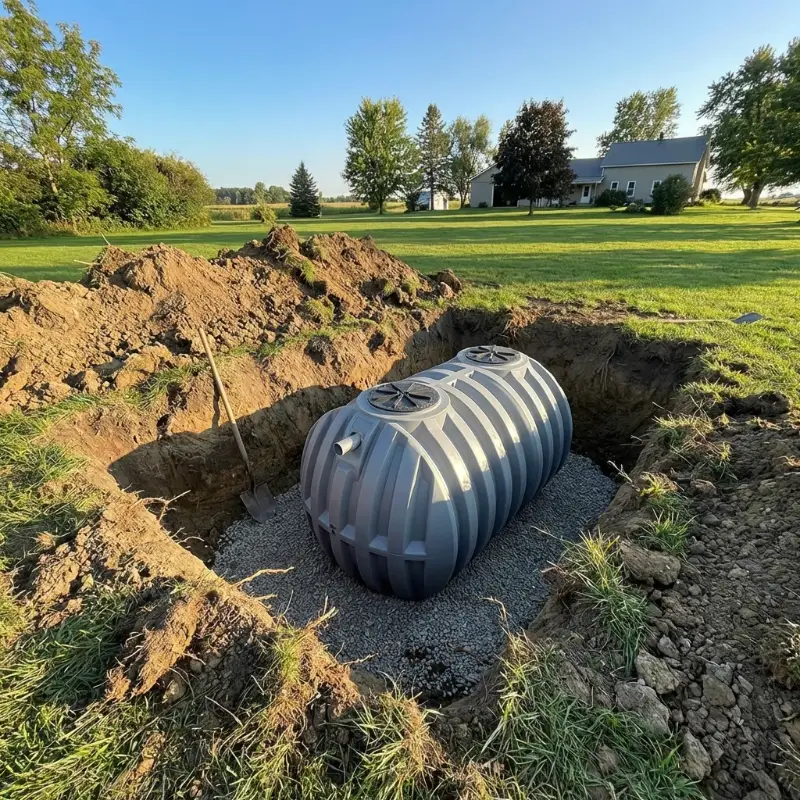
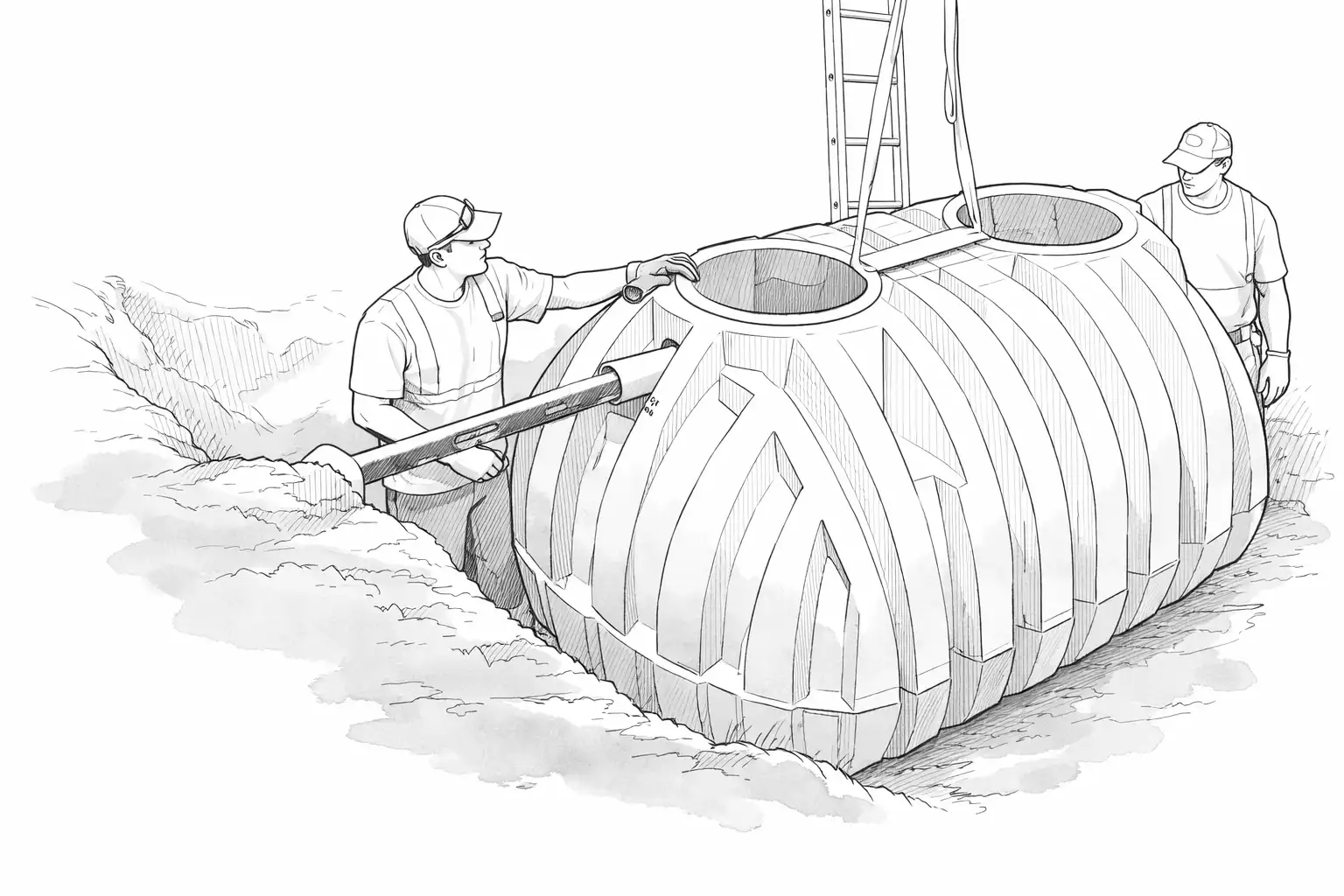
septic-tank-being-installed

Browse Septic Tank Types

View the various septic types to find the right solution for your project.
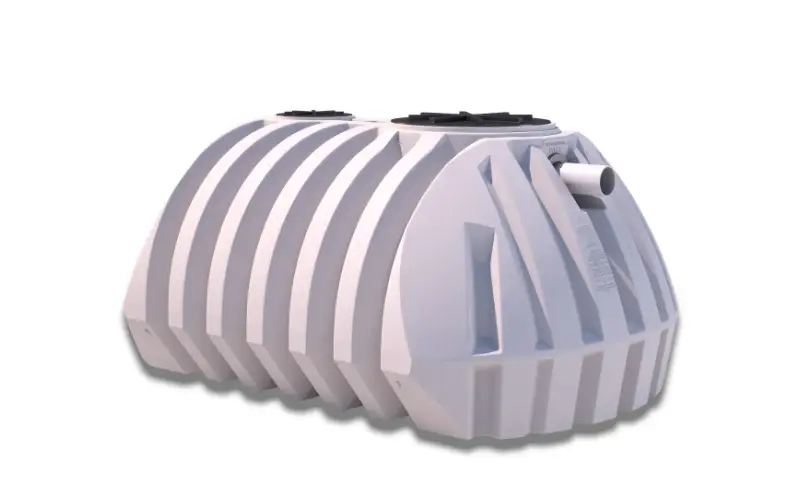
372-0638-500-gal-standard-single-compartment-white-no-background-800x500-032026
Septic

Single Compartment Septic

Standard one-compartment septic tanks for onsite wastewater storage and primary separation where permitted.
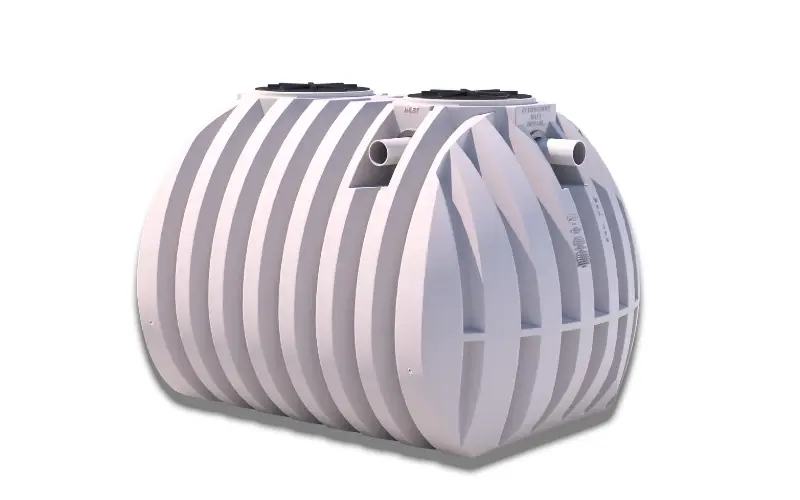
372-0638-1000-gal-standard-single-compartment-white-no-background-800x500-032026
Septic

Dual Compartment Septic

Dual compartment septic tanks with two internal sections for projects that require added separation within the tank layout.
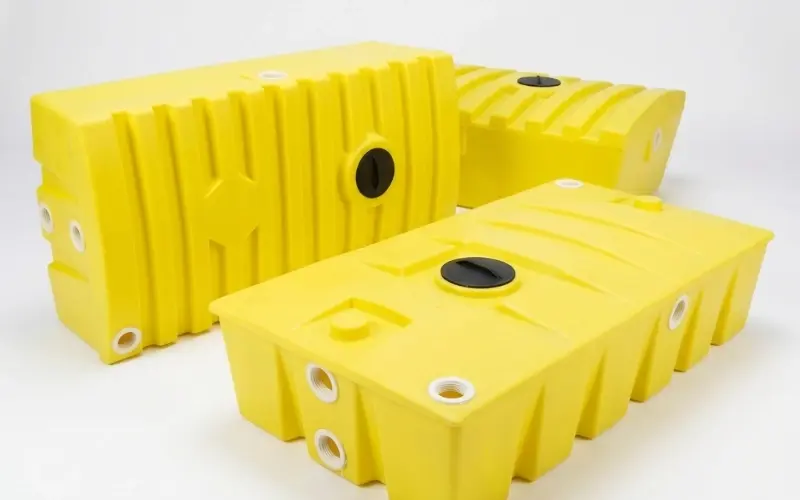
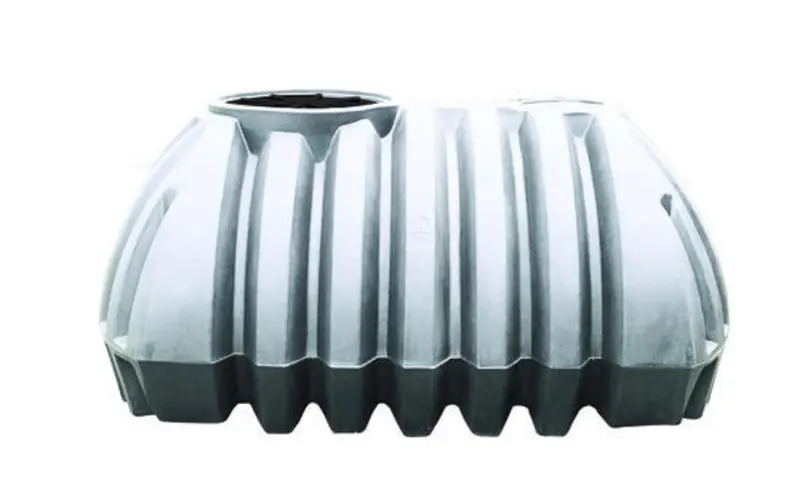
372-0645-3-yellow-job-shack-holding-tank-white-background-800x500-032026
Septic

Aboveground Holding Tanks

Aboveground holding tanks for wastewater storage and pump-out applications where aboveground placement is permitted.

372-0638-500-gal-standard-single-compartment-holding-tank-white-no-background-800x500-032026
Septic

Underground Holding Tanks

Underground holding tanks for wastewater storage and pump-out use where buried tank installations are allowed.

372-0638-septic-tank-installation-sample-800x800-032026

Underground Septic Tank Details

Septic tanks are underground wastewater tanks used for onsite storage and primary separation when a sewer connection is not available. We supply septic tanks for sale, including poly septic tank and plastic tank for septic applications, with practical configurations and access options suited for commercial and industrial projects. 

Tank selection starts with the system layout and local requirements. Standard septic tanks are single compartment gravity tanks, while dual compartment septic tanks include two chambers with an internal baffle. Pre-plumbed septic tanks simplify rough-in with set inlet and outlet locations, and holding tanks are storage-only tanks for pump-out use where permitted.

 Local compliance varies by state, county, and local authority, including minimum capacity, approved tank types, access and riser requirements, and installation limits such as burial depth. Permits and inspections are common, and many jurisdictions require approval documentation for submittals. You can review our approved septic by state page for general guidance. In high water table areas, anti-buoyancy measures may also be required to help prevent tank flotation. Share your location and project details during quoting and we will help match the tank type and configuration to local expectations.

Spec List

  • 300 to 1500 gallons
  • 24" to 48" maximum burial depth depending on model
  • 1 chamber single compartment
  • 2 chambers with internal baffle dual compartment
  • 1 or 2 manways with 20" cover
  • Sizes from 4 to 11 ft L, 4 to 6 ft W, and 4 to 6 ft H

Features

  • Rotationally molded polyethylene tank body
  • Watertight seamless construction
  • Corrosion resistant for buried service
  • Ribbed shell for structural stiffness
  • Pre-plumbed design depending on model
  • Manways, lids, and risers for service access

Applications

  • Onsite wastewater where sewer is not available
  • Commercial buildings and facility expansions
  • Industrial sites and remote operations
  • New septic system installations
  • Replacement projects matching existing footprints

Specialist Support for Your Storage Project

Talk with a specialist for practical guidance and equipment recommendations.

Frequently Asked Questions

Got questions about septic tanks? We have the answers to all our customers most common questions right here. And, if you don't see an answer to your question in this FAQ, don't worry we've got you covered! Contact our team and allow us to provide specialist guidance to help assist you with all your septic problems.

What size septic tank do I need?

The right septic tank size depends on the application, expected wastewater volume, and local code requirements. Capacity, occupancy, and project type all matter, so share your location and project details during quoting and we can help narrow the right tank size.

Are dual compartment septic tanks required?

That depends on the location and the project. Some jurisdictions allow single compartment septic tanks, while others may require dual compartment designs or other specific configurations. Review local requirements before purchase, and we can help align the tank selection during quoting.

What’s the difference between a septic tank and a holding tank?

A septic tank is used for onsite wastewater storage and primary separation, while a holding tank is a storage-only tank used for pump-out applications where permitted. The right choice depends on the system design and local requirements.

Do high water tables affect septic tank installation?

Yes. High water table conditions can create uplift pressure around a buried septic tank, which may lead to flotation if the tank is not properly secured. AK identifies disturbed soil or parts of the tank showing above ground as early signs of this issue, and notes that anti-buoyancy methods may be needed depending on the site. Final installation requirements should be confirmed with the engineer, septic contractor, and local authority having jurisdiction.