Below-Grade Fuel Storage
Underground Fuel Tanks
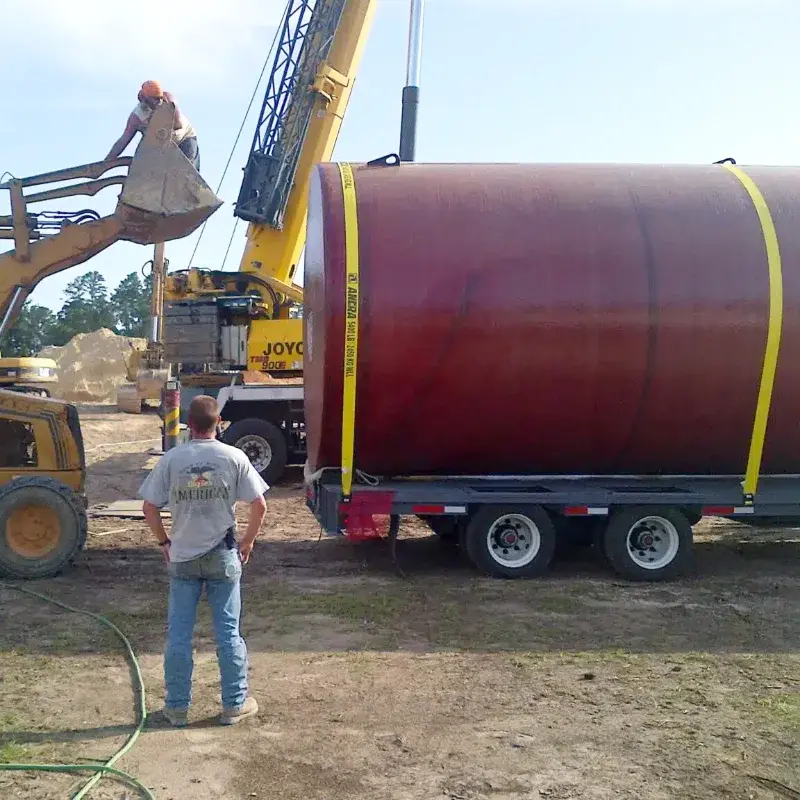
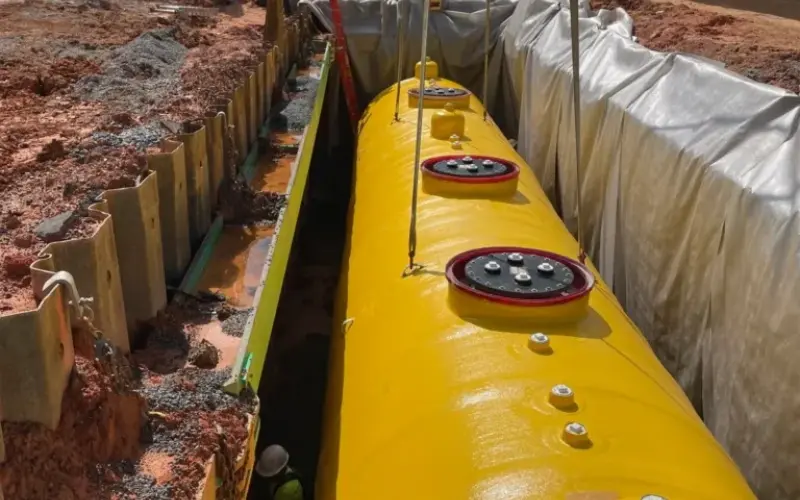
Underground fuel tanks are used when fuel needs to be stored on site below grade and out of the way. They are commonly used for generator fuel supply, fleet fueling, facility storage, and other long-term fuel needs. Because underground installations depend on site conditions, tank selection and planning should be reviewed early, including fuel type, capacity, placement area, access points, and connection requirements.
Spec List
- Tank materials: double-wall fiberglass and double-wall steel-fiberglass constructions
- Fiberglass tank capacities: 5,000 to 40,000 gallons
- Steel-fiberglass tank capacities: 2,000 to 30,000 gallons
- Fuel compatibility: petroleum fuels, ethanol and biodiesel blends
- Compliance: UL 1316, UL 58 & UL 1746 models determined compliance
- Monitoring design: double-wall tanks with interstitial monitoring options
Features
- Full double-wall underground tank construction
- Corrosion-resistant fiberglass exterior protection
- Interstitial space for leak detection and monitoring
- Single, double, or triple compartment options on select tanks
- Flat-end or shorter-profile designs for tighter site layouts
- Monitoring layouts that support dry or brine options on select models
Applications
- Fleet fueling support at yards, terminals, and service sites
- Fuel storage for industrial and commercial facility projects
- Generator fuel supply for engineered backup power systems
- Remote site fuel supply for active jobsites and operations
- Replacement underground tank projects and system upgrades
- New underground fuel storage for long-term site planning
Underground Fuel and Gas Tank Details
Underground fuel tanks are used when fuel storage needs to stay below grade for site layout, traffic flow, security, or long-term placement. They are often specified for generator fuel supply, fleet fueling, facility storage, and other projects where on-site fuel needs to be kept out of active surface areas. Because underground systems are site-dependent, quoting usually requires more planning up front, including fuel type, capacity, access, placement area, and known soil or groundwater conditions.
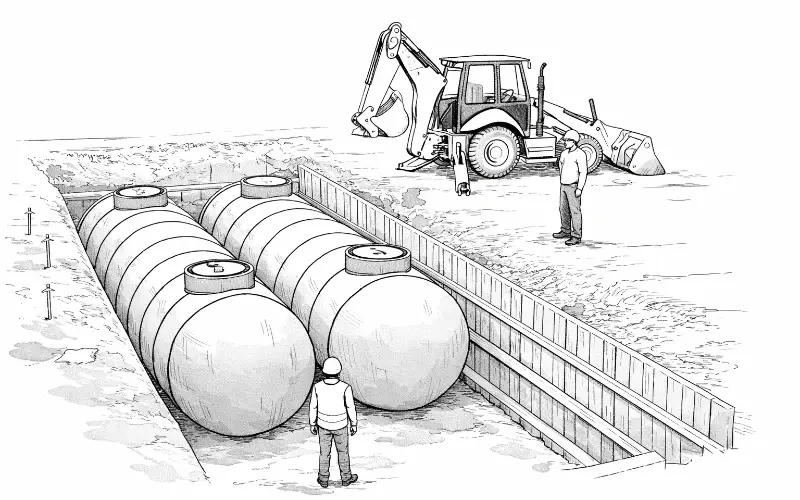
Installation planning matters more with underground tanks. Bedding, backfill, access hardware, and service points should be coordinated to match the site and follow manufacturer guidance. In areas with a high water table or wet soil conditions, flotation risk may also affect the installation approach, and anti-float measures such as hold-down pads, straps, deadmen, or other anchoring methods may need to be reviewed as part of the project. UST systems must be designed and installed in accordance with industry standards and manufacturer instructions.
Underground fuel tank compliance should be confirmed by project and jurisdiction. EPA UST requirements address release prevention, corrosion protection, spill and overfill prevention, and release detection, and EPA notes that states may apply more stringent requirements than the federal rules. Final tank selection should confirm fuel type, capacity, monitoring requirements, site conditions, and the applicable regulatory path before quoting is finalized.
Specialist Support for Your Storage Project
Talk with a specialist for practical guidance and equipment recommendations.
UST Fuel Tank Install Steps
Confirm fuel type, tank size, placement area, access points, and any known site conditions before installation begins.
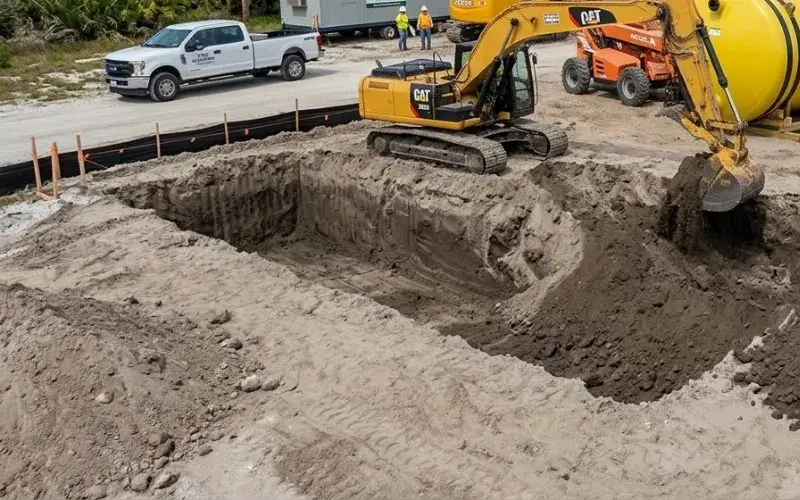
Excavate for the tank and prepare the bedding/base according to the installation requirements.
Place the tank in position and address groundwater or buoyancy concerns if they apply to the site.
Connect the fill, vent, piping, and monitoring components needed for the system.
Backfill the tank, finish the site, and complete the required installation checks before startup.
Confirm fuel type, tank size, placement area, access points, and any known site conditions before installation begins.
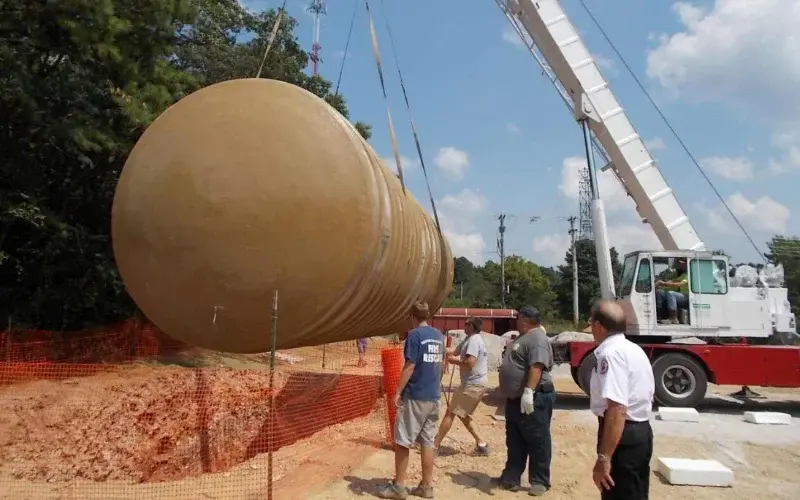
Excavate for the tank and prepare the bedding/base according to the installation requirements.
Place the tank in position and address groundwater or buoyancy concerns if they apply to the site.
Connect the fill, vent, piping, and monitoring components needed for the system.
Backfill the tank, finish the site, and complete the required installation checks before startup.
Confirm fuel type, tank size, placement area, access points, and any known site conditions before installation begins.
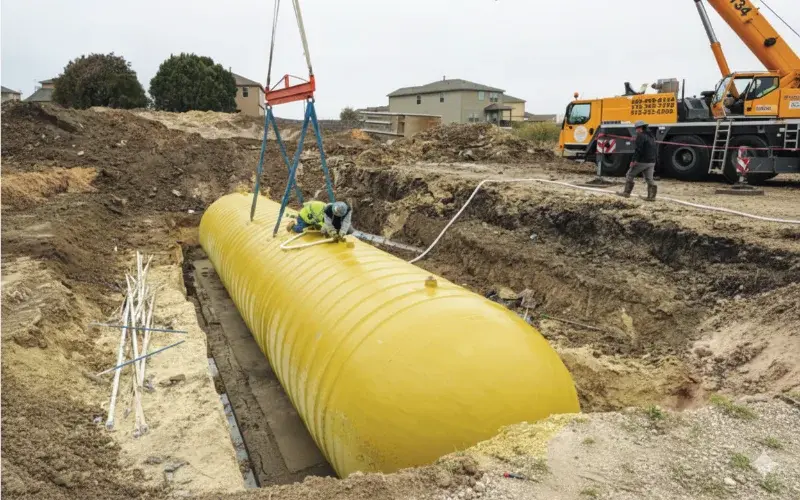
Excavate for the tank and prepare the bedding/base according to the installation requirements.
Place the tank in position and address groundwater or buoyancy concerns if they apply to the site.
Connect the fill, vent, piping, and monitoring components needed for the system.
Backfill the tank, finish the site, and complete the required installation checks before startup.
Frequently Asked Questions
Explore common questions about underground fuel tanks, including quoting, placement, installation, and site planning details. If you do not see your question here, contact our team for help with tank selection and project requirements.
What information do you need to quote an underground fuel tank?
To quote an underground fuel tank, we usually need the fuel type, tank size, intended use, job location, site access, placement area, and any known soil or groundwater conditions.
Can an underground fuel tank be installed in a traffic area?
Yes, an underground fuel tank can be planned for a traffic or non-traffic area, but the installation details need to match the site layout and project requirements.
How do I choose the right underground fuel tank size?
The right underground fuel tank size depends on how much fuel you need to store, how often the tank will be filled, and how much space is available on site.
Why do site conditions matter for underground fuel tank installation?
Site conditions matter because soil, groundwater, and access can affect underground fuel tank installation, monitoring, and anchoring requirements.