✓ Stay Notified. Use Sensors.
Tank Monitoring & Sensors
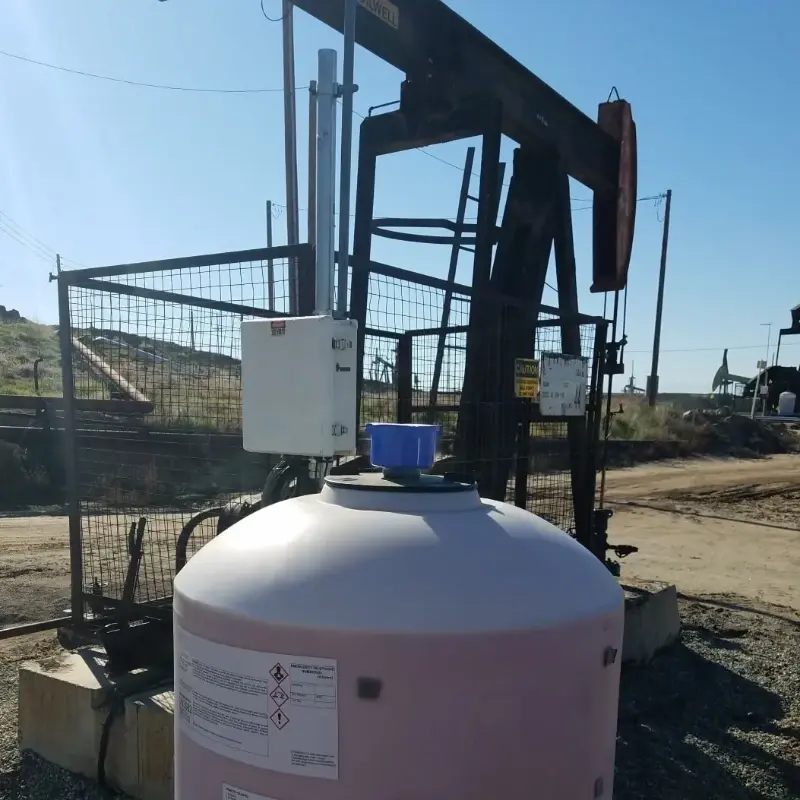
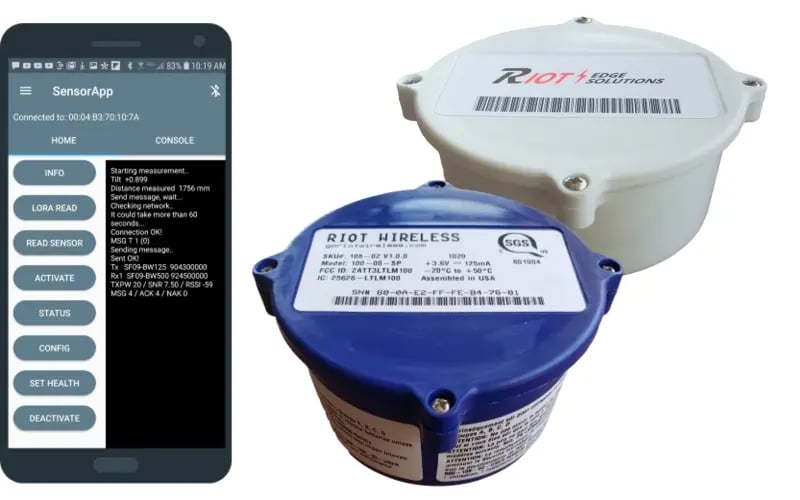
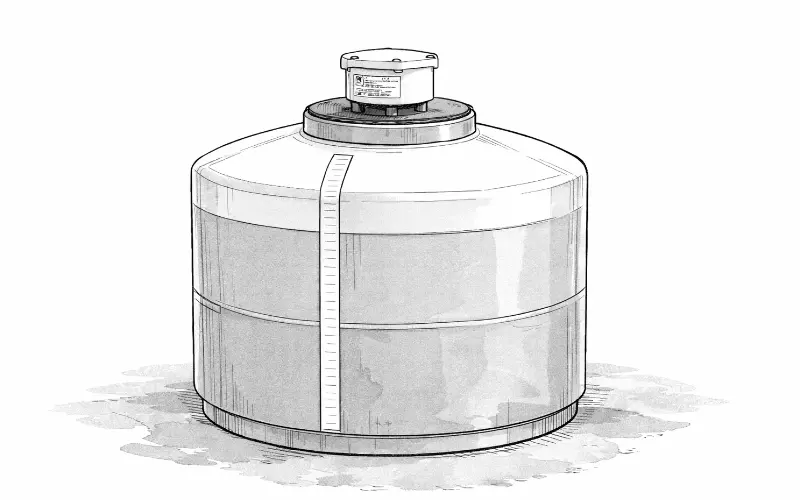
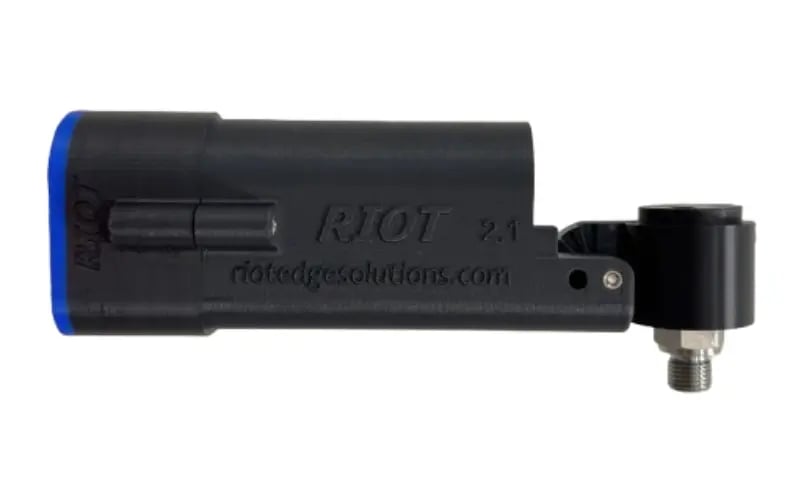
Tank monitoring sensors are used to measure tank level and help communicate tank status without routine manual checks. Depending on the setup, these sensors can support remote visibility, alerts, and monitoring for fuel tanks, water tanks, and other on-site storage applications. They may be selected based on the tank type, stored liquid, installation environment, and the kind of information the user needs to monitor, such as level, pressure, or alarm conditions.
Spec List
- Up to 10 ft or 19 ft monitoring range, depending on sensor model
- ±0.08 in. accuracy with 0.2 in. resolution on the listed ultrasonic monitoring units
- 1 replaceable C-cell battery with up to 5 years of service life on select models
- IP67 and IP68-rated options are available, depending on whether a level or pressure sensor is used
- LoRa, BLE, cellular, and satellite-ready options are available across the product line
Features
- Measures tank level without manual checking for more consistent day-to-day tank visibility
- Supports remote monitoring and alerts so users can respond faster to changing tank conditions
- Available in level and pressure-based formats to match different monitoring needs and tank setups
- Designed for quick installation, with vendor literature calling out install times of under 2 minutes on select models
- Certain models offer hazardous-location configurations, including intrinsically safe, C1D1-rated, and ATEX-rated options
Applications
- Fuel tank monitoring for on-site storage, fleet fueling, and remote fuel supply points
- Water tank level monitoring where stored water levels need more visible, reliable tracking
- Remote tank locations where manual level checks are inconvenient or time-consuming
- Multi-tank or multi-site setups that benefit from broader monitoring visibility and reporting
- Industrial and hazardous environments where more rugged or rated sensor options may be needed
Tank Monitor & Sensor Details
To quote the right tank monitoring sensor setup, it helps to start with the basics of the tank and the application. Include the tank type, the stored liquid, and the tank size and shape, along with where the tank is installed. This helps narrow down the right sensing approach for fuel tanks, water tanks, and other on-site storage systems, especially when the setup may call for either a tank level sensor or a pressure-based sensor.
It also helps to explain what you need to monitor and how you want the system to work. Some applications only need level monitoring, while others may also need pressure, status alerts, or broader reporting. Buyers should also note whether the site has available power, what kind of connectivity is preferred, and whether alerts should be sent by text, email, or dashboard view. For more complex setups, include whether the system needs to cover one tank, multiple tanks, or multiple locations.
Site conditions can also affect product selection. If the tank is installed in a remote area, a high-usage location, or a more demanding environment, that should be included in the quote request. It is also helpful to mention any known compliance or safety requirements, along with the project timeline and any installation considerations. Providing these details early makes it easier to match the monitoring sensors and reporting setup to the application and prepare a more accurate quote.
Specialist Support for Your Storage Project
Talk with a specialist for practical guidance and equipment recommendations.
Frequently Asked Questions
Tank monitoring sensors can vary by tank type, monitoring method, install environment, and reporting needs. These common questions help explain how tank level sensors and monitoring systems are typically selected for fuel tanks, water tanks, and other on-site storage applications.
What’s the difference between a tank level sensor and a pressure sensor?
A tank level sensor is typically used to measure how much liquid is in the tank, while a pressure sensor measures pressure and can be used in applications where pressure-based monitoring is preferred. The right option depends on the tank type, stored liquid, and the kind of data the system needs to provide.
What power and connectivity do I need for a tank monitoring system?
That depends on the sensor and the site. Some systems are battery-powered, while connectivity options can vary based on the location and monitoring setup. It helps to include available power, site conditions, and preferred communication method when requesting a quote.
Can I monitor multiple tanks in one system?
Yes, some tank level monitoring systems can be configured for single-tank or multi-tank use, and some setups can also support multiple sites. The best fit depends on how many tanks you need to monitor and how you want alerts, dashboards, or reporting to be organized.
What information do you need to quote a tank monitoring sensor setup?
The most helpful details include the tank type, stored liquid, what needs to be monitored, site environment, available power, connectivity preferences, number of tanks or locations, preferred alert method, and timeline. Providing this information early helps narrow down the right monitoring approach. To get specialist assistance, contact us so we can provide the solution you need.