
Relevant Contents
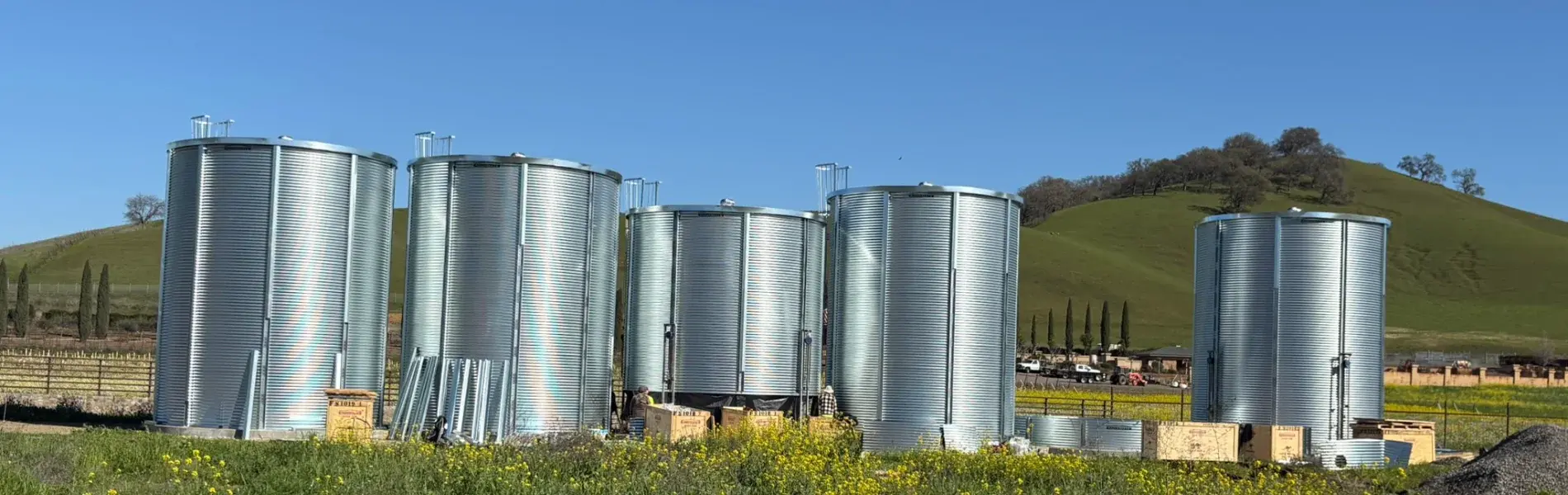
Aboveground storage tanks play a direct role in how industrial facilities manage chemical containment. If you are storing acids, caustics, or petroleum products, the tank you select determines your ability to meet regulatory requirements and prevent environmental releases. One Clarion sources aboveground storage tank systems in steel, fiberglass (FRP), and polyethylene from U.S. manufacturers for chemical and industrial applications.
This article covers how aboveground storage tanks support chemical containment, what secondary containment involves, and what to evaluate when comparing suppliers for your next project.
Key Takeaways: How Aboveground Storage Tanks Support Chemical Containment
- Aboveground storage tanks are regulated under EPA SPCC rules, RCRA, and state programs for chemical containment.
- Secondary containment systems must hold at least 110% of the largest tank's volume to meet federal requirements.
- Material selection depends on the chemical stored, with polyethylene, FRP, and steel each suited to different applications.
- One Clarion works with 30+ vetted manufacturers to match tank type and material to your site conditions and chemical requirements.
- Poor supplier vetting and unclear documentation are common causes of project delays and budget overruns.
What Is Chemical Containment for Aboveground Storage Tanks?
Chemical containment refers to the combination of primary and secondary systems that prevent stored chemicals from reaching soil, groundwater, or surface water. The primary containment is the tank itself. Secondary containment is a backup structure designed to capture leaks, spills, or releases from the primary vessel.
For aboveground storage tanks, secondary containment may include double-walled tanks, dike systems, containment sumps, or sealed berms. According to EPA SPCC guidance, your secondary containment must be sized to hold the full volume of the largest container plus precipitation.
Getting this right matters. A containment failure can result in fines, cleanup costs, and project shutdowns that affect your schedule and budget.
Which Regulations Apply to Aboveground Storage Tank Containment?
Several federal and state regulations govern chemical containment for aboveground storage tanks. The EPA's Spill Prevention, Control, and Countermeasure (SPCC) rule under 40 CFR Part 112 applies to facilities storing oils and petroleum products. Facilities with an aggregate aboveground oil storage capacity of 1,320 gallons or more must maintain a written SPCC plan.
Hazardous waste stored in chemical storage tanks falls under the Resource Conservation and Recovery Act (RCRA), specifically 40 CFR Part 264. This section sets requirements for secondary containment design, liner materials, and inspection protocols.
State-level programs add requirements that vary by jurisdiction. Some states adopt the Uniform Fire Code (NFPA 1), while others enforce their own tank registration and inspection rules. Always verify your local requirements before specifying a tank system.
How Does Tank Material Affect Chemical Containment?
The tank material determines how well it resists the chemicals you plan to store. Choosing the wrong material leads to corrosion, liner failure, or structural degradation, all of which compromise containment.
Polyethylene Tanks for Chemical Storage
Polyethylene tanks are commonly used for storing acids, caustics, and water treatment chemicals. Cross-linked polyethylene (XLPE) offers improved chemical resistance and structural strength compared to linear polyethylene. These tanks are available in vertical, horizontal, cone bottom, and double-wall configurations.
One consideration with polyethylene is its temperature tolerance. Polyethylene tanks have upper operating temperature limits that vary by resin type. You should verify chemical compatibility and temperature range before specifying a polyethylene tank for your application.
Fiberglass (FRP) Tanks for Chemical Storage
Fiberglass reinforced plastic (FRP) tanks handle a wide range of corrosive chemicals, including sulfuric acid, sodium hypochlorite, and hydrochloric acid. FRP tanks resist corrosion and do not require internal coatings, which reduces maintenance. One Clarion sources FRP tanks from U.S. manufacturers for both vertical and horizontal chemical storage applications.
Steel Tanks for Chemical Storage
Steel tanks are used for petroleum products, fuels, and non-corrosive liquids. Carbon steel tanks store fuel oil, diesel, and lubricants, while stainless steel and epoxy-coated options serve more demanding chemical environments. Steel tanks built to API 650 standards are common in terminal and refinery settings.
What Are the Types of Secondary Containment for Aboveground Tanks?
Secondary containment captures any release from the primary tank and prevents it from reaching the surrounding environment. The type of secondary containment you select depends on the chemical stored, the tank configuration, and your site conditions.
Double-Walled Tanks
Double-walled tanks house the primary vessel inside a secondary shell. If the inner tank leaks, the outer wall captures the release. One Clarion supplied a custom 22,000-gallon double-wall polypropylene holding tank in Bastrop, Texas for emergency spill storage and secondary containment.
Dike Systems and Containment Berms
Dike systems surround tanks with earthen, concrete, or steel walls sized to hold the full volume of the largest tank plus accumulated rainfall. Berms offer a flexible alternative for temporary or mobile containment needs. Both options require regular inspection and maintenance of liners and drain valves.
Containment Sumps and Pallets
Containment sumps made from chemical-resistant polyethylene capture leaks beneath storage tanks and drums. Containment pallets work for smaller vessels like 55-gallon drums and intermediate bulk containers (IBCs). These are common on sites where multiple smaller containers share a storage area.
How to Evaluate Suppliers for Aboveground Storage Tank Projects
Choosing a tank supplier affects your project timeline, your documentation quality, and your containment compliance. Poor supplier selection is one of the most common reasons industrial tank projects go over budget or miss deadlines.
Verify Material and Chemical Compatibility
Your supplier should confirm the chemical resistance of every tank component, including fittings, gaskets, and valves. One Clarion offers a chemical compatibility tool that helps you check resistance ratings by material type before specifying a tank.
Request Submittals and Compliance Documentation
Approval-ready submittals keep your project on schedule. Delays in documentation are a common source of project overruns. Look for suppliers that include spec sheets, drawings, and compliance documentation with every quote. One Clarion includes submittals and compliance documentation with each order to support your engineering review and approval process.
Assess Delivery Coordination and Lead Times
Tank delivery involves freight scheduling, crane access coordination, and foundation readiness. Suppliers that manage these logistics with a single point of contact reduce the risk of miscommunication. One Clarion assigns a dedicated Sales Engineer who manages your timeline from quote through delivery and installation support.
Common Causes of Budget Overruns in Storage Tank Projects
Budget overruns on aboveground storage tank projects often stem from a few predictable sources. Understanding these risks helps you plan more accurately and ask the right questions during procurement.
Incomplete site assessments lead to foundation rework after the tank arrives. If you have not verified soil conditions, load-bearing capacity, and crane access before ordering, expect change orders.
Mismatched specifications create problems when the delivered tank does not align with plan notes or the chemical being stored. Verifying custom chemical storage configurations against your safety data sheets (SDS) before ordering prevents costly returns and reorders.
Unclear lead times cause scheduling conflicts with other trades on site. Confirming delivery windows and freight details early in the procurement process helps you avoid idle labor and equipment costs.
In Conclusion: Matching Your Tank System to Your Containment Requirements
Aboveground storage tanks support chemical containment when the tank material, secondary containment design, and documentation all align with the chemical stored and the regulations that apply to your site. Selecting a supplier who verifies compatibility, manages documentation, and coordinates delivery reduces the most common project risks.
If you are planning a chemical storage project and need help matching a tank system to your requirements, reach out to a One Clarion Sales Engineer. Call 863-261-8388 or request a call back to discuss your project details.
FAQs About Aboveground Storage Tanks and Chemical Containment
What size triggers SPCC requirements for aboveground tanks?
Facilities with an aggregate aboveground oil storage capacity of 1,320 gallons or more must comply with EPA SPCC requirements. This total includes all containers of 55 gallons or larger on your site.
Can polyethylene tanks store corrosive chemicals?
Yes, polyethylene tanks store many acids and caustics. You should verify compatibility using the chemical's SDS and the tank manufacturer's resistance chart. One Clarion offers a chemical compatibility tool that checks resistance ratings for polyethylene, FRP, and steel options.
What is the secondary containment volume requirement?
Federal regulations require secondary containment to hold at least 110% of the largest tank's volume, plus enough capacity for precipitation. Site-specific conditions and state rules may require additional volume.
How does One Clarion help with chemical containment projects?
One Clarion works with 30+ vetted U.S. tank manufacturers to match the right material and configuration to your chemical storage needs. Your project includes submittals, spec sheets, and compliance documentation delivered with each order.
What causes delays in aboveground storage tank projects?
Common causes include incomplete site assessments, mismatched specifications, and unclear lead times. One Clarion assigns a dedicated Sales Engineer to manage coordination from quote through delivery, reducing the risk of scheduling conflicts and rework.