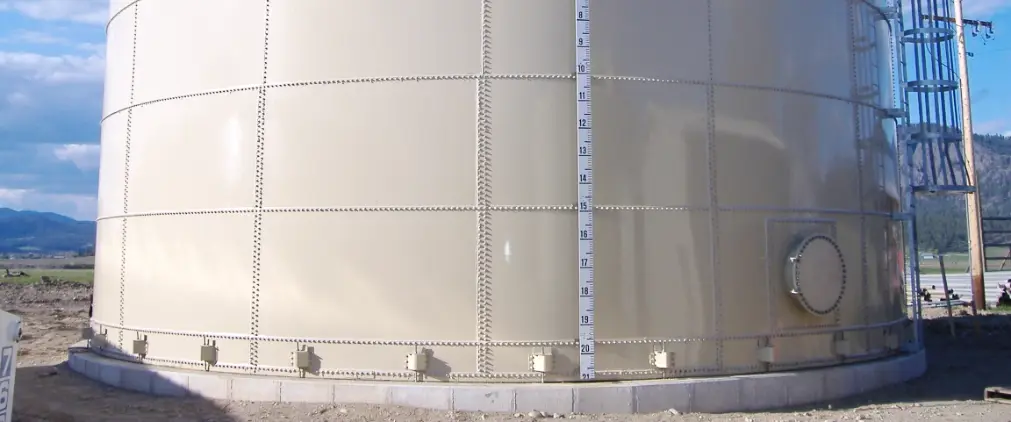
What is cathodic protection? It is an electrochemical method of corrosion control that makes a metal surface the cathode of a corrosion cell, so metal loss shifts to an anode installed for that purpose. On a steel storage tank, cathodic protection works alongside the coating to protect surfaces in contact with soil or stored water. Whether a tank needs it depends on the tank material, the installation, the stored liquid, and the requirements that govern the project. A One Clarion Sales Specialist can help match tank type, coating, and corrosion protection options to your application.
What Is Cathodic Protection, and Why Steel Tanks Need It
Steel corrodes through an electrochemical reaction. At anodic sites on the surface, iron oxidizes and goes into solution, releasing electrons that travel through the steel to cathodic sites. The surrounding electrolyte, whether soil moisture or stored water, completes the circuit, and the anodic areas lose metal over time.
On a storage tank, anodic and cathodic sites can form across the same plate. Differences in steel metallurgy, coating condition, oxygen concentration, and soil chemistry all create small potential differences that drive this localized corrosion. Left unchecked, it shows up as pitting on tank bottoms, buried shells, and submerged interior surfaces.
Cathodic protection interrupts that process by supplying direct current to the protected surface, making the entire surface the cathode of the cell. Corrosion shifts to an anode designed to be consumed or to carry current for a long service life. The method has protected pipelines, marine structures, and storage tanks for decades, and AMPP, the industry association for corrosion control, maintains an overview of cathodic protection for corrosion control. For owners and specifiers, the practical question is where it belongs in the corrosion plan for a specific tank.
How Cathodic Protection Works on a Storage Tank
Every corrosion cell needs four elements: an anode, a cathode, an electrolyte, and a metallic return path. Cathodic protection keeps all four in place but controls which component serves as the anode. Protective current flows from the installed anodes, through the electrolyte, onto the tank surface, and back through a bonded connection.
That current polarizes the steel to a more negative potential, which suppresses the anodic reaction on the tank. Technicians verify protection by measuring the structure-to-electrolyte potential against a reference electrode, commonly copper/copper sulfate for buried steel, and comparing readings to recognized industry criteria.
Cathodic protection only reaches surfaces in contact with the electrolyte. On an aboveground tank, that is typically the underside of the bottom plate resting on soil or a sand pad. On an underground tank, it is the buried exterior shell, and on a steel water tank it is the interior surface below the water line. The roof, the vapor space, and atmospheric exterior surfaces rely on the coating system alone.
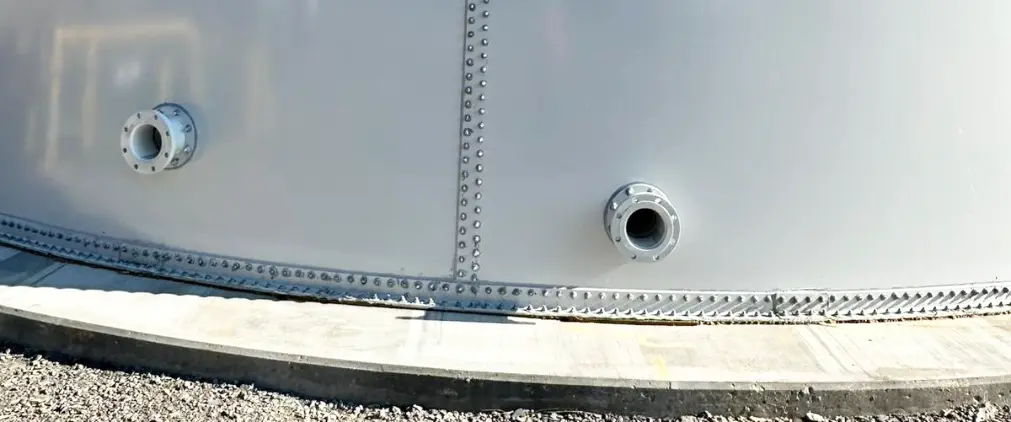
Cathodic protection only works where current can reach. Above the water line, the coating carries the job.
Galvanic vs. Impressed Current Cathodic Protection
There are two types of cathodic protection, and the difference is where the driving voltage comes from. Galvanic cathodic protection, also called sacrificial anode cathodic protection, connects the tank to an anode made of a more electrochemically active metal, typically a magnesium, zinc, or aluminum alloy. The natural potential difference between the anode and the steel drives the protective current, and the anode is consumed over time.
Galvanic systems need no external power and little adjustment, but their current output is limited. That makes them a common fit for well-coated surfaces, smaller structures, and factory-installed anodes on coated steel underground tanks. For the interior submerged surfaces of steel water tanks, AWWA D106 covers sacrificial anode systems.
Impressed current cathodic protection (ICCP) uses a rectifier to convert AC power to DC and push current through anodes built to be consumed slowly, such as mixed metal oxide, high silicon cast iron, or graphite. Output is adjustable, so impressed current systems suit large aboveground tank bottoms, higher resistivity soils, and surfaces with more bare steel. AWWA D104 covers automatically controlled impressed current systems for steel water tank interiors.
System selection belongs to the corrosion professional designing the system. Soil or water resistivity, coating quality, protected surface area, current demand, power availability, and target service life all factor into whether a galvanic or impressed current design fits.
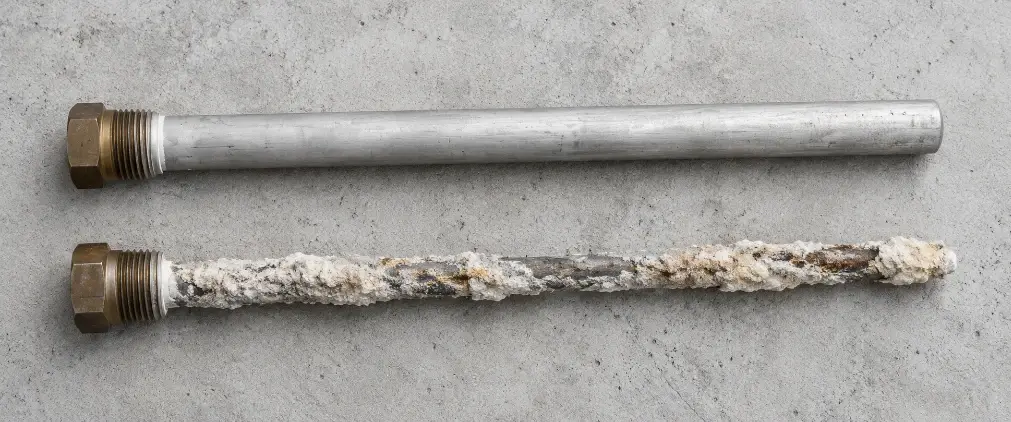
Galvanic systems are self-powered and simple. Impressed current systems trade simplicity for adjustable output.
Which Storage Tanks Need Cathodic Protection
Cathodic protection applies to metallic surfaces in contact with an electrolyte, so the tank material and installation decide whether it belongs in the conversation. Tank type, stored liquid, site soil, and the requirements governing the project all shape the final answer.
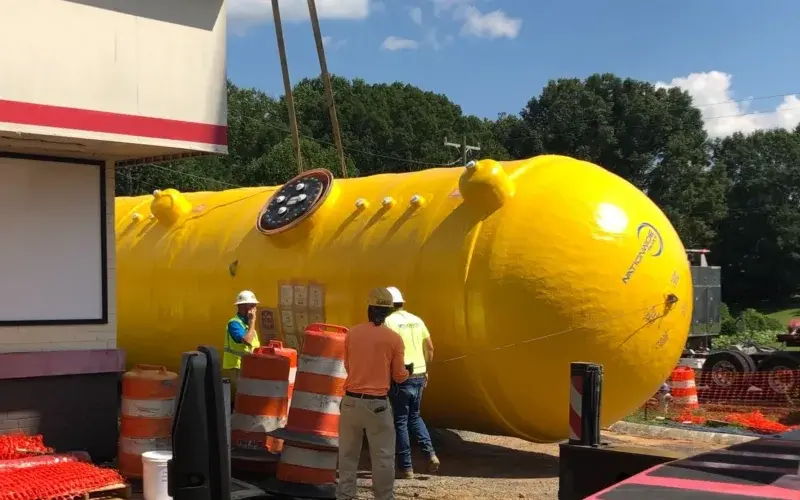
Underground steel tanks storing petroleum or hazardous substances fall under federal UST rules in 40 CFR 280.20, which require new tanks to meet one of several corrosion protection approaches. Those include fiberglass-reinforced plastic construction, coated and cathodically protected steel, and steel clad or jacketed with a non-corrodible material. Double-wall fiberglass and steel-fiberglass underground fuel tanks address that requirement through construction, and the underground fuel and UST application outlines how those systems are specified. State programs may add requirements, so confirm with the implementing agency.
Aboveground steel tanks set directly on soil or a sand pad expose the underside of the bottom plate to the electrolyte, which is the surface API RP 651 addresses for petroleum storage. Release prevention barriers, secondary containment liners, and pad materials under the tank all influence how a tank bottom cathodic protection system is designed. Steel fuel and gas tanks set on skids, saddles, or elevated supports with no steel in contact with soil generally sit outside this concern.
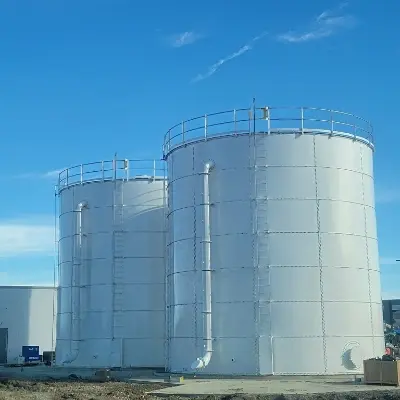
Steel water storage tanks bring the interior into play, since stored water is the electrolyte for every submerged surface. Bolted steel tanks rely on factory-applied powder epoxy coating as the primary barrier, and cathodic protection can be added as an option where conditions or specifications call for it. That applies to fire protection water storage and potable water storage projects where the engineer of record specifies interior protection.
Corrugated steel tanks separate the water from the steel with an interior liner, so the liner, rather than interior cathodic protection, serves as the primary corrosion barrier. Galvanized and stainless steel tanks follow their own logic: the zinc coating on galvanized steel protects small breaks in the coating galvanically, and stainless steel relies on its passive oxide film.
Non-metallic tanks change the question entirely. Aboveground FRP tanks, underground FRP tanks, HISHITANK modular FRP panel tanks, and polyethylene tanks do not corrode electrochemically, so the shell does not need cathodic protection. Metallic components such as anchor straps, hardware, and fittings may still need their own corrosion protection, and choosing the best tank material still follows the stored liquid, installation, and project requirements.
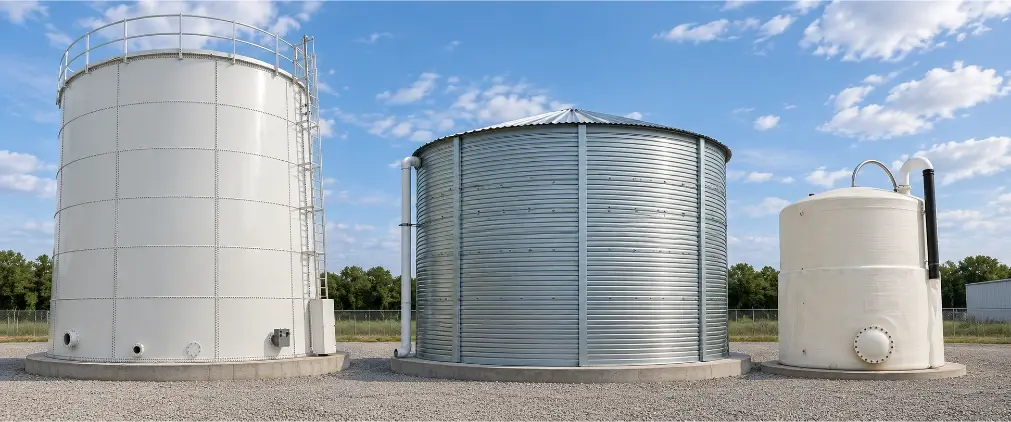
The first question is not which anode to use. It is whether there is metal in contact with an electrolyte at all.
Coatings, Linings, and Cathodic Protection Work as One System
The coating is the primary corrosion barrier, isolating the steel from the electrolyte across nearly the entire surface. No coating is perfect, though. Holidays, pinholes, transport and erection damage, backfill contact, and normal aging all leave small areas of exposed steel.
Cathodic protection protects the steel at those defects. Because a sound coating leaves very little bare steel, it lowers the current the cathodic protection system has to deliver, which is why coated and cathodically protected steel is the standard pairing for buried tanks. Cathodic protection does not replace the coating, and the two must be compatible, since excessive protective potentials can contribute to cathodic disbondment of some coatings.
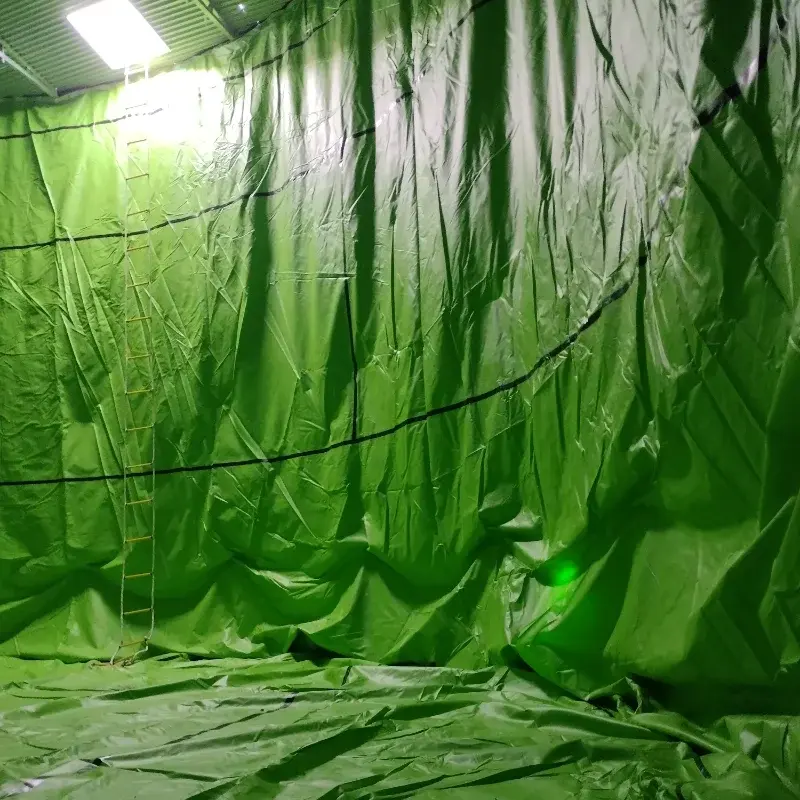
Linings play a similar barrier role on the inside of a tank. A flexible tank liner separates the stored liquid from the shell, which changes what the interior corrosion plan needs to cover.
The practical takeaway is timing. Coating, lining, and cathodic protection are easiest to align when they are specified together with the tank, and a quote that leaves corrosion protection out can look lower on paper while costing more over the tank's service life.
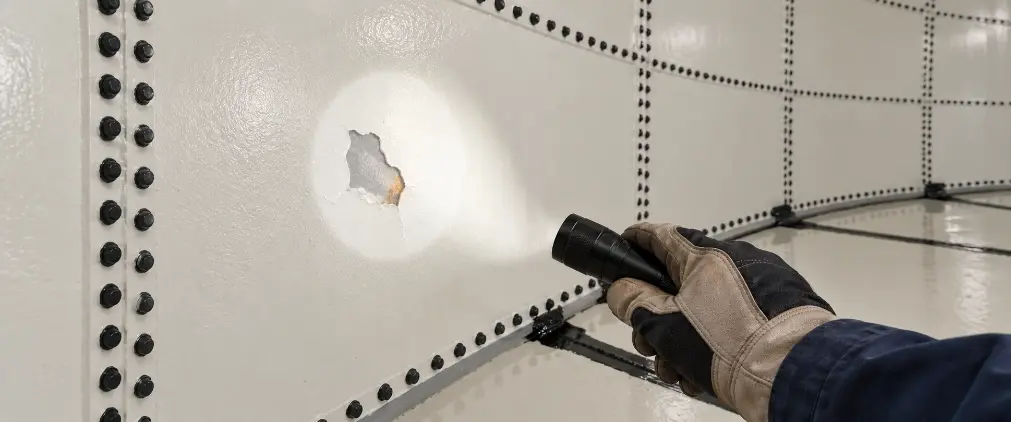
The coating does most of the work. Cathodic protection covers the places the coating cannot.
Testing, Service Life, and When to Bring in a Specialist
A cathodic protection system only protects a tank if it keeps delivering current, so testing is part of owning one. Cathodic protection testing typically means measuring structure-to-electrolyte potentials at test stations with a reference electrode and comparing the readings to the system's design criteria. Impressed current systems add rectifier checks on output voltage and current.
For regulated underground storage tanks, 40 CFR 280.31 requires cathodic protection systems to be tested by a qualified cathodic protection tester within 6 months of installation and at least every 3 years after, unless the implementing agency sets another schedule. Impressed current systems must also be inspected every 60 days, and EPA summarizes these rules in its UST corrosion protection guidance. Water storage tanks and aboveground tanks follow the owner's routine tank inspection program, the applicable standard, and the engineer of record's specification.
Service life depends on how hard the system works. Galvanic anodes are consumed at a rate set by current demand, which rises as the coating ages or the electrolyte changes, while impressed current anodes are built for slower consumption but depend on continuous power and a working rectifier. Periodic survey data is the most reliable way to judge remaining life.
Design is specialist work. Federal UST rules require field-installed cathodic protection systems to be designed by a corrosion expert, and the engineer of record and the authority having jurisdiction set the requirements a tank must meet. A One Clarion Sales Specialist can help match tank type, coating, and factory or optional cathodic protection to the application, and our articles and guides cover more of the decisions behind a storage tank project.
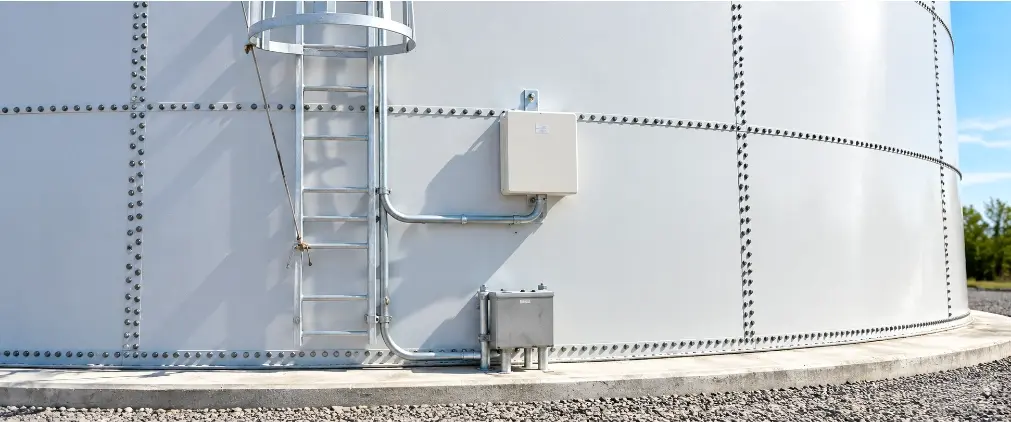
A cathodic protection system that is never tested is only an assumption.